
Siemens Energy AG - Extension of the Transformer Production Facility
As part of the extension of the existing production facility, Siemens Energy commissioned IE Technology to carry out a feasibility study as well as the subsequent client representation.
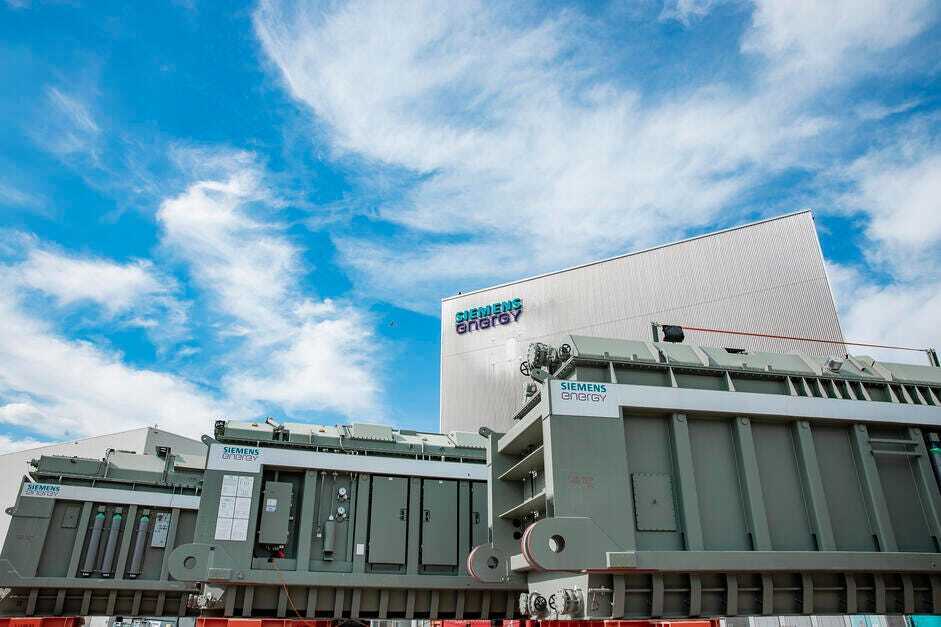
Feasibility Study for the Expansion of Transformer Production Facility for Siemens Energy AG
Project
Feasibility Study and Client Representation
Client
Siemens Energy AG
Key Data
Working Together for Project Success
Services provided by IE Group
- Execution of factory planning as the basis for the capacity expansion at the existing site
- Planning in accordance with the proven IE principle "inside-out"
- Analysis of existing production processes, material flows and space structures
- Development of an optimal process layout for the production areas along the entire process chain
- Consideration of the integration of new production areas into the existing site and building structures
- Evaluation and optimization of material flows, space requirements and process interdependencies
- Support in defining key requirements for buildings, traffic areas and technical infrastructure from a production perspective

Challenges & Solutions
Capacity Expansion at the Existing Site
High Vertical Integration and Complex Requirements
Heavy-load Transport and Traffic Concept
The Project in Detail
Feasibility Study and Client Representation for the Extension of the Transformer Production Facility for Siemens Energy AG
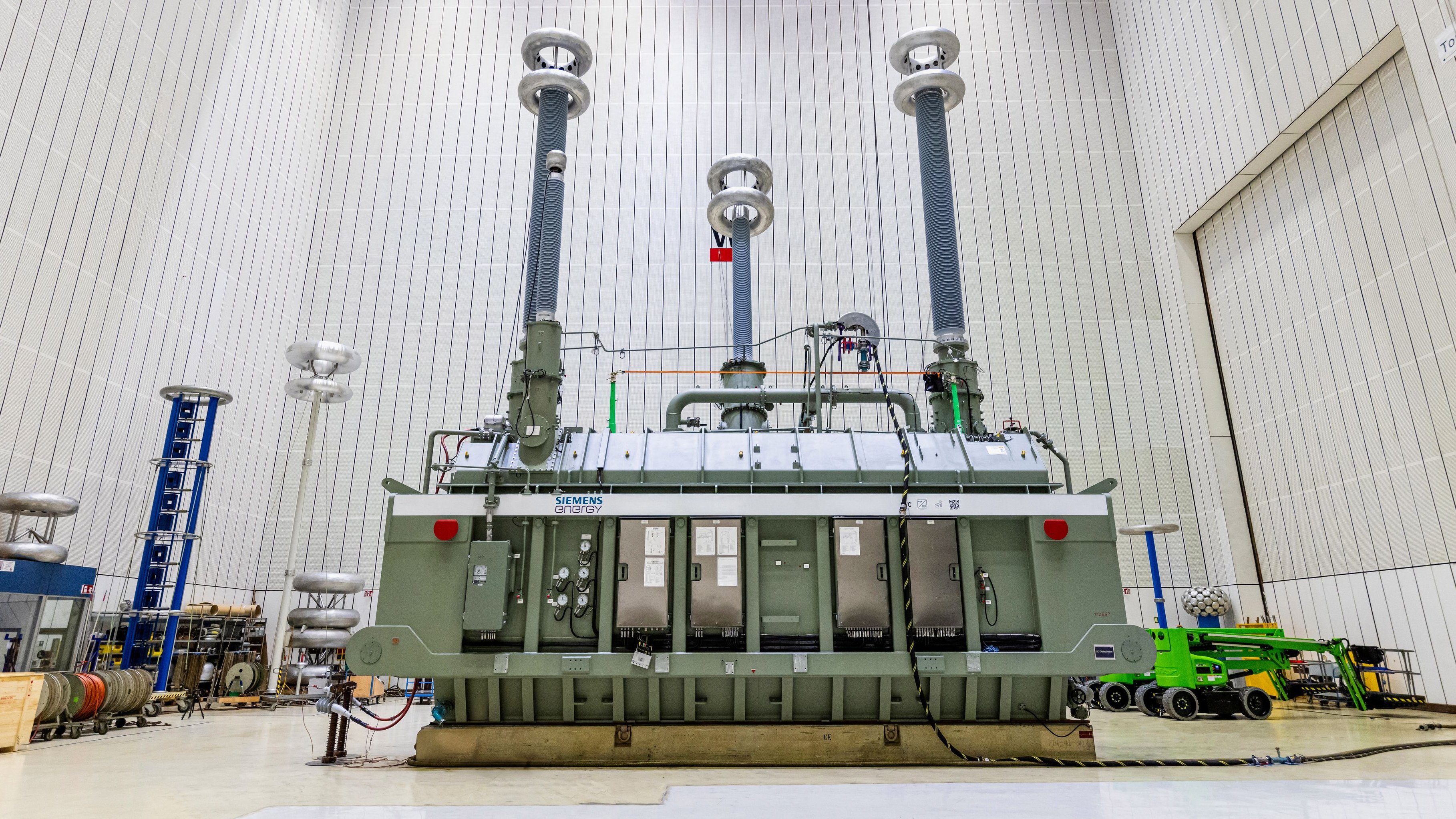
Siemens Energy AG manufactures large power transformers in Nuremberg for grid stabilization, the connection of large offshore wind farms, and international power transmission. For the extension of the production facility, which has been in operation since 1912, Siemens Energy commissioned IE Technology with the feasibility study and the subsequent client representation.
The Challenge
To ensure that the new production areas can be made available as quickly as possible, planning and implementation are carried out within a tight timeframe and in parallel with ongoing operations.
Through the detailed analysis of material and process flows, as well as the consideration of spatial relationships and additional requirements, an optimal solution was developed. This was achieved in close collaboration with the employees of the production areas in order to capture all requirements within a short period of time and integrate them effectively into the planning.
Particular focus is placed on the definition of crane zones as well as the precise positioning of pits and foundations – always taking future expansion possibilities into account.
The Success Factors
The planning principles for the new facilities were established through close cooperation with on-site experts from manufacturing and industrial engineering. All relevant requirements were comprehensively considered and incorporated into the planning process. Various design alternatives were developed, compared, and rigorously evaluated in an iterative manner, with all assessments being guided by the identified requirements.
Deepen Your Knowledge
Discover further details in our Project Insight.