
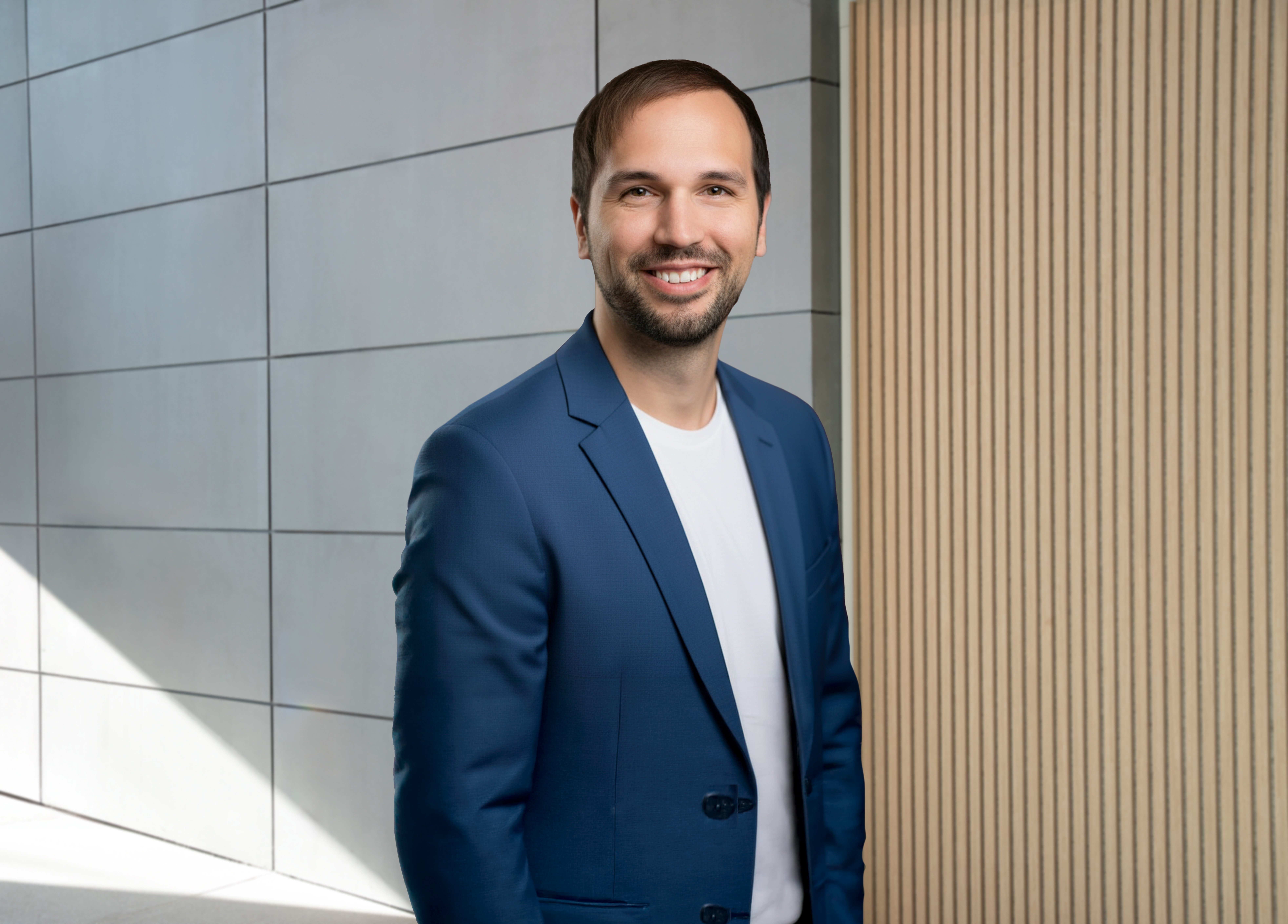
Andreas Grundner
After completing my degree in logistics, I spent nearly eight years working for a logistics service provider, where I was responsible - among other roles - as Senior Project Manager and Team Lead for Launch & Optimization of (inter)national intralogistics solutions across multiple sites. Since 2024, I have been part of the factory planning and logistics team at IE Industrial Engineering München GmbH, where I design forward-looking logistics solutions for our clients across various industries. Since 2023, I have also been a lecturer at Hochschule München University of Applied Sciences, teaching Production and Logistics Management.
Brief Profile: Expertise at a Glance
Planning and implementation of tailored and sophisticated logistics solutions for a wide range of industries. Project management skills to steere and manage complex projects.
Industry Focus
We support our Food, Plast, Life Science and Technology industries with individual logistics solutions that fit into the overall concept.
Role at IE Group
As a logistics planner, I support projects from idea to implementation — both as a team member and as a project manager. I am also part of project management and work on the development of our standards and processes.
Technical Expertise
Through my experience with companies of various sizes - from large international corporations to small and medium-sized enterprises (SMEs) - I have developed a broad understanding of different organizational structures and requirements. My logistics expertise has its origins in the automotive industry and has been successfully transferred to numerous other industries over time. This is complemented by solid project management skills, enabling targeted, structured, and transparent work within projects.
From Practice to Planning
What fascinates me about logistics is the commitment to perfectionism and the importance of the small details. Even minor changes can have a significant impact. Logistics influences product quality, adherence to deadlines, lead times, and therefore also unit costs and output. When logistics becomes noticeable, it is usually for negative reasons. Ideally, it operates quietly and unobtrusively in the background. It is more complex than it appears and therefore often does not receive the attention it actually deserves.
After completing my studies, I started at Reichhart Logistik in the area of launch and optimization management. My task - and later that of my team - was to implement the previous planning. And I quickly learned that planning/ theory and real-life are two fundamentally different things.I packed and picked goods, operated industrial trucks and forklifts, supported inventory counts, assisted in the interim management of a site, and traveled extensively. Through this hands-on experience, I gained a clear understanding of what truly matters for logistics to function effectively.
Today, I benefit greatly from this knowledge. It enables me to plan more realistically and has made me humble and respectful of the performance and expertise of operational staff..
The step from logistics to project management is not far. Both require organization and structure; both aim to bring order to complexity and ensure a regulated, transparent and trouble-free process.
The combination of different customers and industries, logistics content and the project management of interdisciplinary teams combined with complex factory planning projects make every project a unique challenge for me.
My Vision for 2040
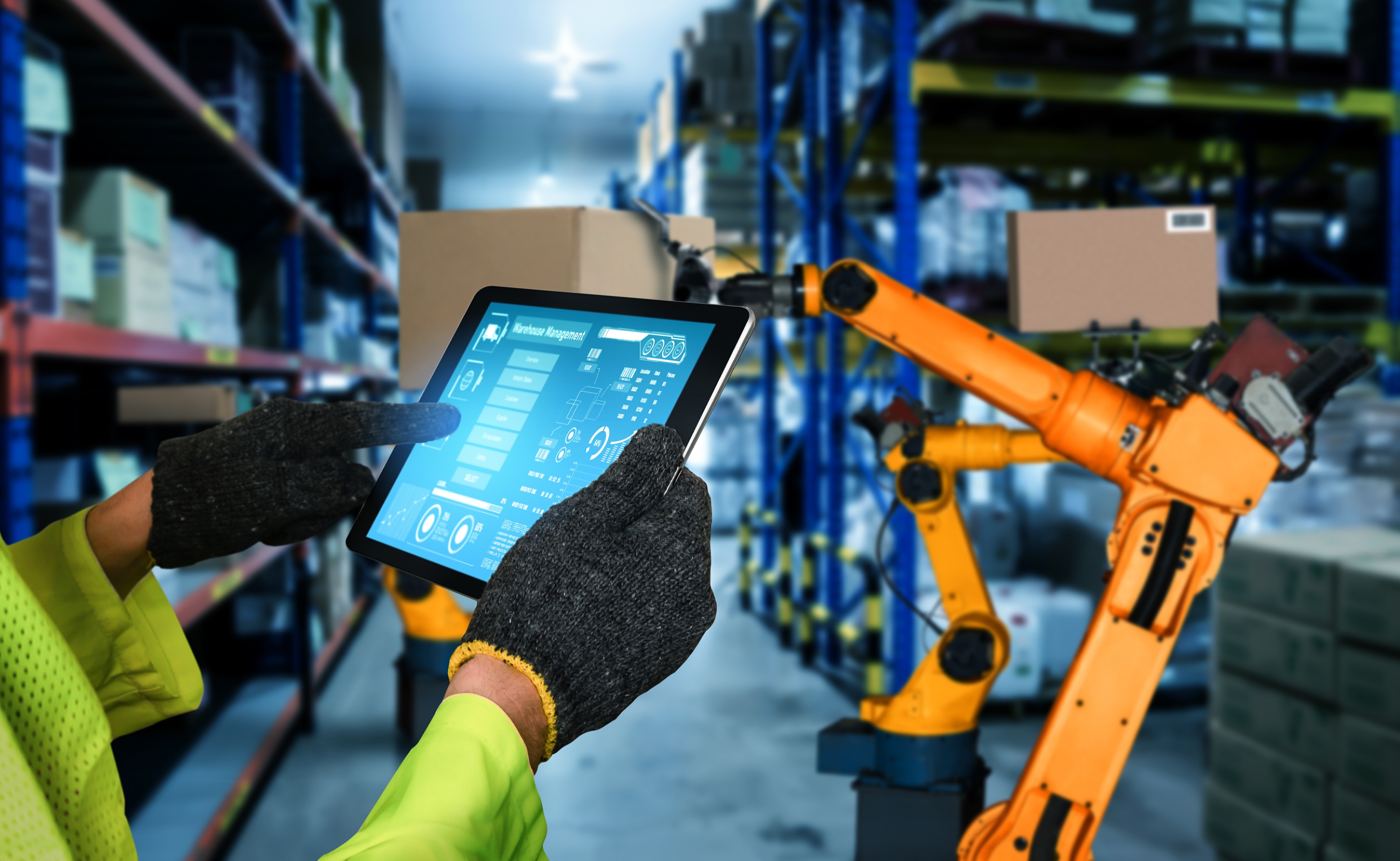
Although keywords such as automation, robotics and AI are shaping discussions about the logistics of the future, they are far from being implemented across the board in practice. A lack of know-how and uncertainties in profitability are slowing down many companies. In the coming years, declining costs, more sophisticated systems and the increasing shortage of skilled workers will significantly accelerate implementation. This creates great potential for Germany's competitiveness as a business location. Autonomous solutions for areas that have previously been difficult to automate are particularly exciting - particularly at the interface with trucks, where there is still considerable optimization potential.
Deepen your Knowledge

Thought Leadership & Publications