
Automation That Pays Off: Finding the Right Balance Between the Man and the Machine
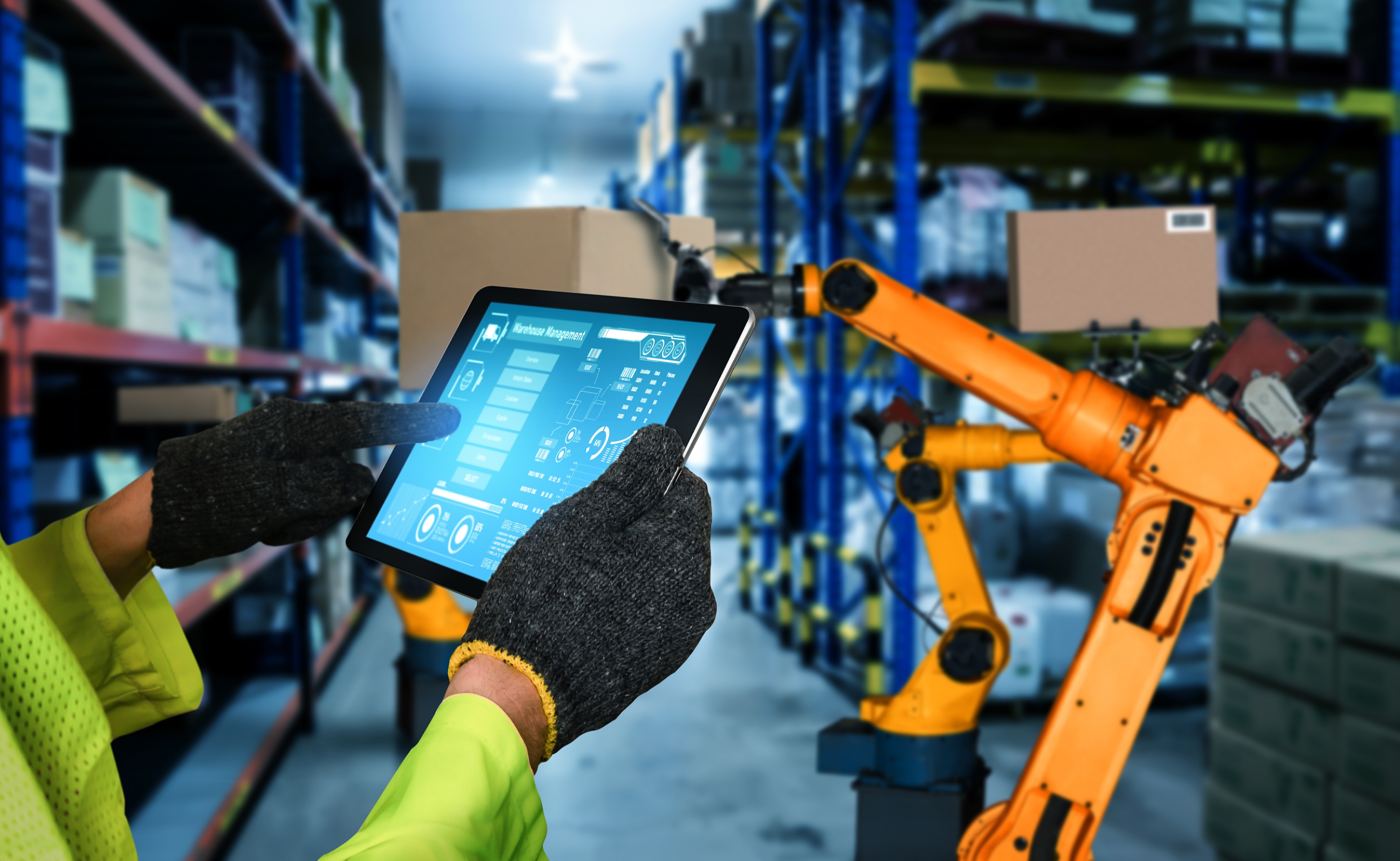
Automation That Pays Off
Finding the right balance between the man and the machine
This white paper provides an independent guideline for determining the economically viable degree of automation for your process. Using a simple decision logic, we demonstrate when it is more effective to selectively optimize manual processes and when technology-driven investments deliver the best return on investment (ROI).
Whether for the refurbishment or construction of a new facility, automation has become an integral part of current business discussions. At the core of these considerations lies one key question: economic viability. Companies are facing increasingly complex challenges, including rising labor costs, growing competitive pressure, labor shortages, and increasing requirements for flexibility and scalability.
Automation is often expected to solve all of these challenges - but it is not that simple. While there are many aspects to consider when implementing automated solutions, this paper focuses on what is arguably the most critical factor: the investment.
There are three common categories of misinvestment in automation:
- Over-automation: Investing in an expensive system that significantly exceeds actual requirements.
- Lack of flexibility: Implementing a rigid system that cannot adapt to changing requirements after just a few years.
- Automated inefficiency: Automating flawed and inefficient processes, thereby simply accelerating inefficiency.
Economic viability is also a question of necessity: how much automation is truly required?
Strategic considerations for automation should follow a simple principle: from necessity to added value. Automation should be implemented where it creates real value - not simply because it is technically feasible. - Florian Alexander, IE Munich
Why does automation make sense?
In simplified terms, this primarily depends on two factors:
- What is the volume of uniform throughput that needs to be transported or processed? Currently, automation tends to be particularly worthwhile when dealing with highly repetitive processes.
- How demanding is the overall working environment in this process step? Relevant aspects may include temperatures, heavy loads, high absenteeism rates, challenges in recruiting staff, or a high number of required employees. As a general rule, the more demanding the conditions, the more automation can help.
From this, the following approach with four positions emerges:
- If there is a very high volume of uniform throughput combined with a challenging work environment, automation is recommended (optimal zone for full automation, e.g. high-bay warehouses, robotics).
- If there is a very high volume of uniform throughput but, at the same time, a favorable working environment, then partial automation and acceleration of existing processes are generally the best choice (focus on scalability, e.g. cobots or supportive AGVs).
- With lower volumes of uniform throughput - e.g. smaller batch sizes or a high product variety - combined with a more challenging working environment, it is advisable to focus on supporting the workforce (human-focused approach, e.g. ergonomic aids).
- If, however, the volume of uniform throughput is lower and the working environment is acceptable, there is no need for costly investments - in this case, the focus should be on process optimization (e.g. pick-by-voice or similar solutions).
Based on the two key factors - volume and working environment - a simple 2×2 matrix allows you to classify your process into one of four zones:
- High Volume: Full automation and maximum ROI
- High Speed and Scalability: Partial automation and scaling
- Manual and Smart: Process optimization and efficiency
- Safety and Ergonomics: Human-focus and necessity
However, when designing a new process, it is important to consider not only the current situation but also future developments. This applies to both processes and technology. What is considered state-of-the-art automation today may already be outdated tomorrow - for example, due to advances in humanoid robotics. Ideally, automation solutions should be modular and retrofittable. This must be reflected in long-term planning, as well as in implementation during ongoing operations. The logistics of the future require neutral expertise to identify the right suppliers and products for each specific application.
Based on our IE Master Plan, we have supported a wide range of companies across various industries in preparing for the future.
One example is WEIG Packaging. Through targeted automation and digitalization, processes were optimally adapted to existing conditions, contributing to a doubling of production capacity.
At MPREIS, the logistics process was analyzed and fundamentally redesigned. As part of a major refurbishment, a deep-freeze warehouse separated by a road was connected via a fully automated logistics bridge - without interrupting the cold chain and while operations continued.
True efficiency does not result from the maximum use of technology, but from an optimized interface between humans and machines. - Andreas Grundner, IE Munich
Talk to our experts to determine the optimal level of automation for your processes and identify the right solution for your needs.

Other Interesting Articles
Success Factors for GMP Construction and Qualification Projects
Make Early Decisions. Integrate Correctly.
More Flexibility, More Capacity, Ready for What’s Next
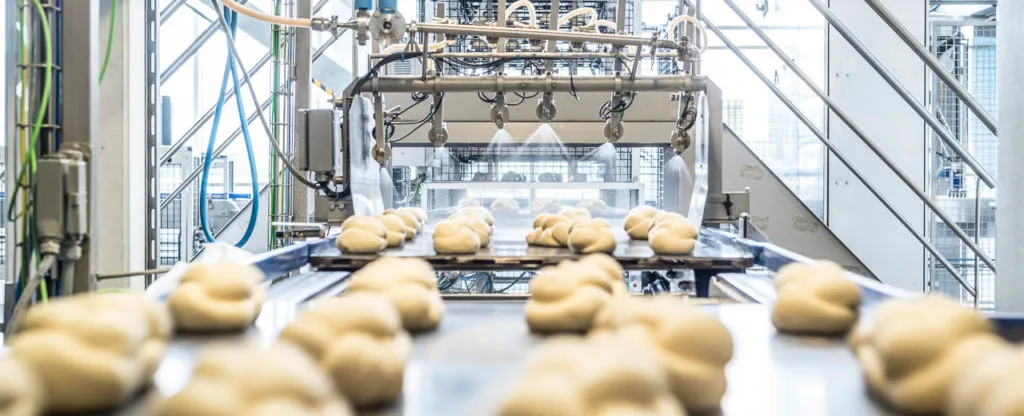
Strategic Planning for Bakeries and Confectioneries: The Path to a Master Plan

Pharmaceutical Logistics: More Safety, Speed and Efficiency Through Holistic Planning

Management of Hazardous Substances in Warehouses: Four Areas of Requirement for Industrial Construction
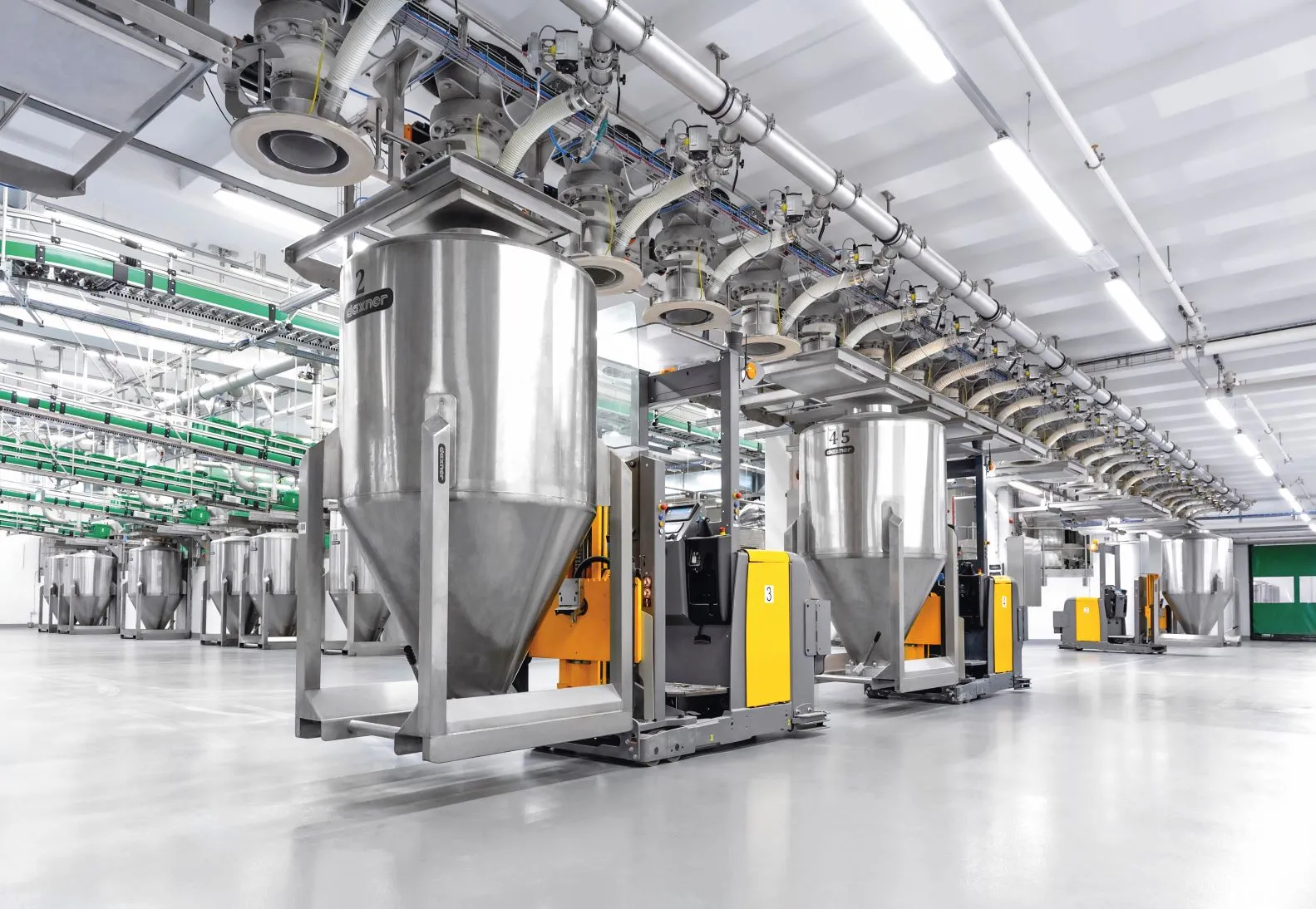
The Food Factory of the Future: Master Plan for a Future-Proof Food Production

Smart Proteins, Smart Factory: Efficient Production for Alternative Proteins
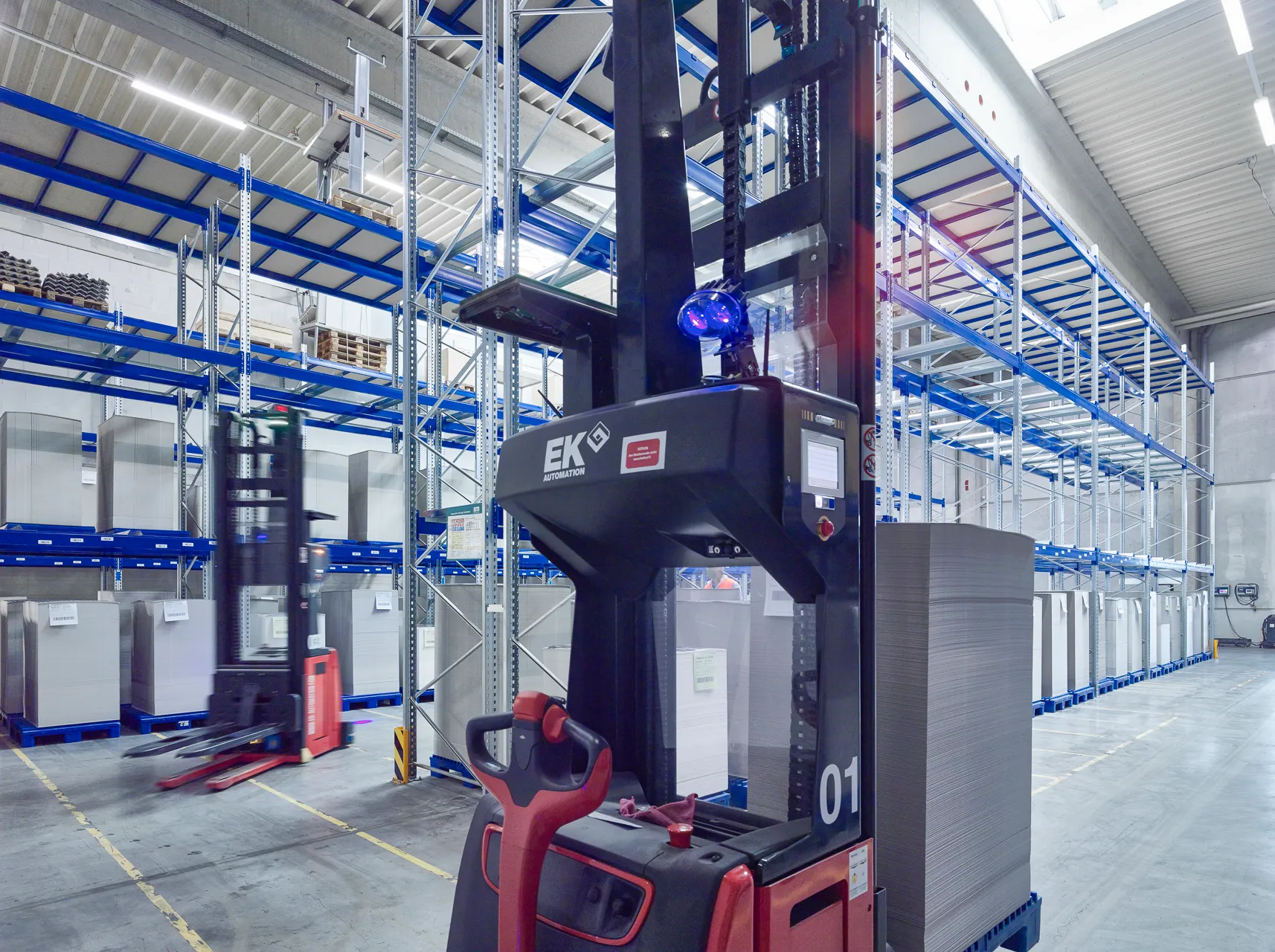
Automated Guided Vehicles: How to Create a Vendor‑Neutral Specification Sheet
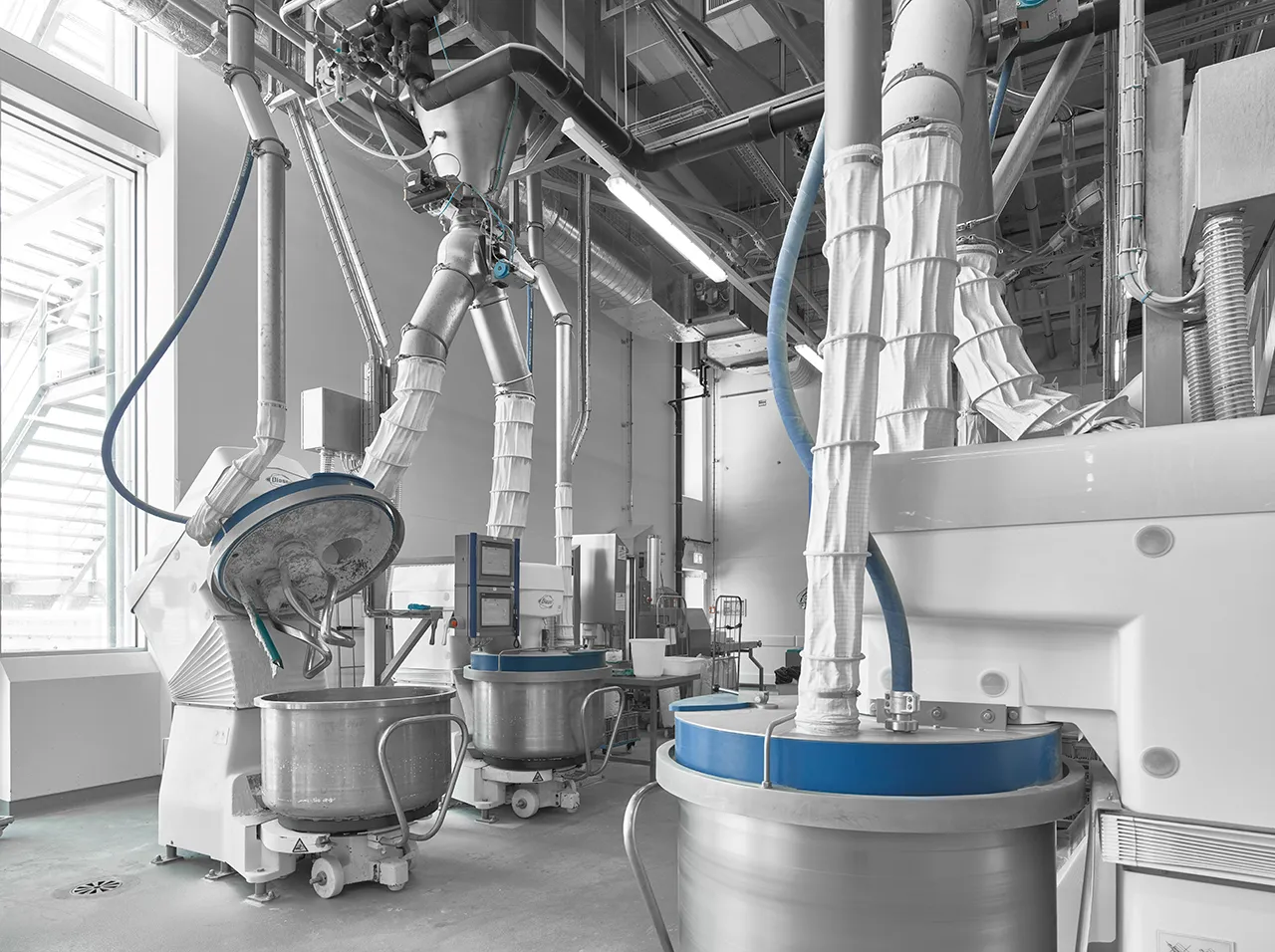
The Bakery of the Future: 4 Success Factors for Sustainable Bakery Production