Construction of Reishauer’s New Headquarters Is Progressing
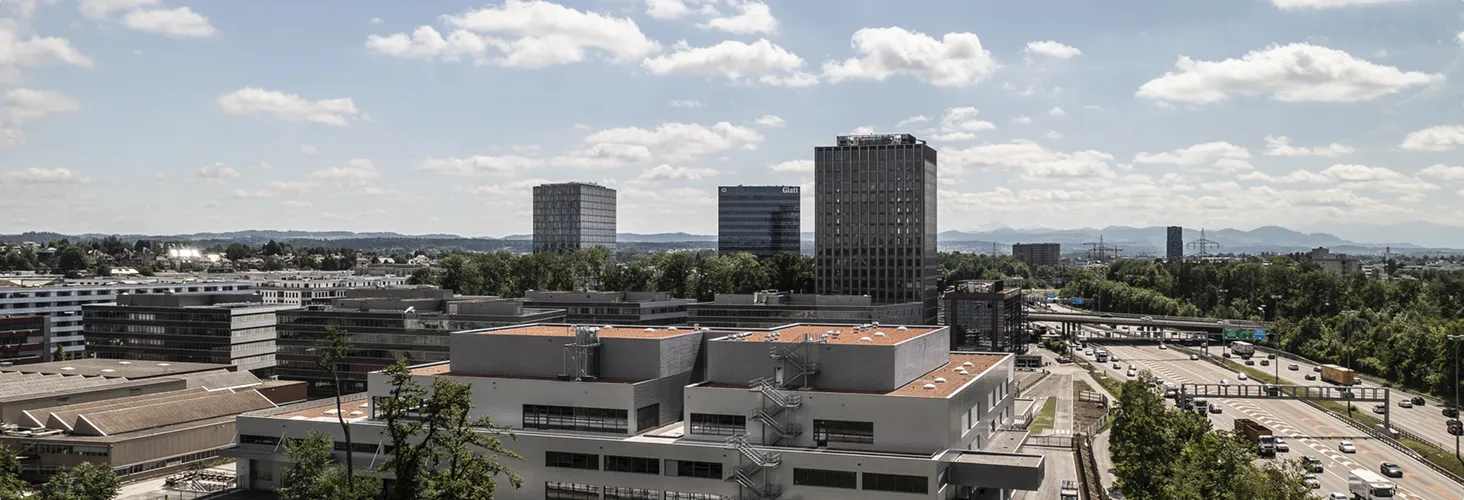
Machine manufacturer Reishauer is investing in Switzerland and expanding its production facility in Wallisellen. The first of three construction phases has now been completed. This means that the heart of Reishauer – the production hall – can be occupied this summer. From October onwards, the entire production department will begin operating.
Implementing complex industrial projects is at the core of IE Industrial Engineering – and the reason why IE and Anex repeatedly collaborate. In a joint interview, the two overall project managers, Patrick Schuler from IE and Roman Basler from Anex, explain why professional expertise matters and why there is no room for egoists on the construction site.
You share a relaxed and friendly relationship. In addition to professional competence, how important is the social aspect for you?
Roman:
Patrick and I share the same views, work in a similar way and challenge each other. But we operate on equal footing, listen to one another and show mutual understanding. Our discussions aim at finding solutions together.
Fruitful collaboration in planning and on the construction site is not a given. Unfortunately, some construction projects involve exhausting conflicts. That’s why I appreciate the good chemistry between Patrick and me – and that our cooperation works so well.
Patrick:
Yes, Roman and I really value each other, even though we only got to know one another through the Reishauer project. I joined as project manager, and I vividly remember our first encounter (laughs). He knew exactly what he wanted and communicated it directly. It startled me at first, but I soon realized that Roman not only sets expectations – he also delivers. Fortunately, we can both set our egos aside and focus on what truly matters.
What were the biggest challenges for you when planning and implementing the first phase?
Roman:
In the production hall, everything revolves around production: large machines and ceiling‑mounted cranes must transport heavy loads throughout the hall. Building technology therefore needs to be coordinated with production processes. Another challenge was determining the right plant size – based on the client’s specifications and local conditions. To achieve this, we carefully studied and internalized the work processes. And finally, the indoor climate was one of the more complex tasks.
Patrick:
Oh yes, I agree with Roman. Achieving the optimal indoor climate was indeed challenging. Additionally, machines had to be protected against vibrations and therefore decoupled from the floor. Fortunately, the long excavation phase gave us flexibility. During this time, we advanced the implementation planning, brought all specialist planners on board early and identified issues at an early stage. Looking back, this significantly accelerated the project.
The indoor climate is both sensitive and fascinating: How were temperature and humidity balanced in such a large hall?
Roman:
Because of the sensitive systems, the indoor climate was a top priority. The requirements were strict: the nine‑metre‑high hall had to avoid major temperature fluctuations and excessive humidity. Using energy simulations, we calculated the energy load and determined how much waste heat needed to be removed. Based on this, we developed various ventilation concepts – taking maintenance, repair and evaluation aspects into account.
What important lessons from the first phase will you take into the next construction stages?
Patrick:
We benefit greatly from the experience gained in the first construction phase – whether in working with the client or optimising processes on site. The technical room in the basement and the metrology rooms, including the showroom in the second phase, will be just as challenging as implementing the production hall.
Roman:
A good building meets the client’s needs. But planning processes rarely develop linearly, and crucial client information is often missing. That’s when we, as planners, must obtain the necessary information – by listening carefully and asking the right questions.

What are the biggest challenges for IE as general contractor or for Anex in planning the building technology systems?
Patrick:
Alongside improved planning processes, as a general contractor we must repeatedly present market‑aligned proposals – especially given fluctuating prices and delivery delays. We cannot bear unforeseeable risks alone. A fair solution is required for both sides.
Roman:
A system must meet the client’s needs. Yet we often see oversized systems that are difficult to control. Collecting these requirements, challenging them where necessary and adapting them to the actual situation – that is our job.
Other Interesting Articles
Success Factors for GMP Construction and Qualification Projects
Make Early Decisions. Integrate Correctly.
Automation That Pays Off: Finding the Right Balance Between the Man and the Machine
More Flexibility, More Capacity, Ready for What’s Next
Strategic Planning for Bakeries and Confectioneries: The Path to a Master Plan

Pharmaceutical Logistics: More Safety, Speed and Efficiency Through Holistic Planning

Management of Hazardous Substances in Warehouses: Four Areas of Requirement for Industrial Construction
The Food Factory of the Future: Master Plan for a Future-Proof Food Production

Smart Proteins, Smart Factory: Efficient Production for Alternative Proteins
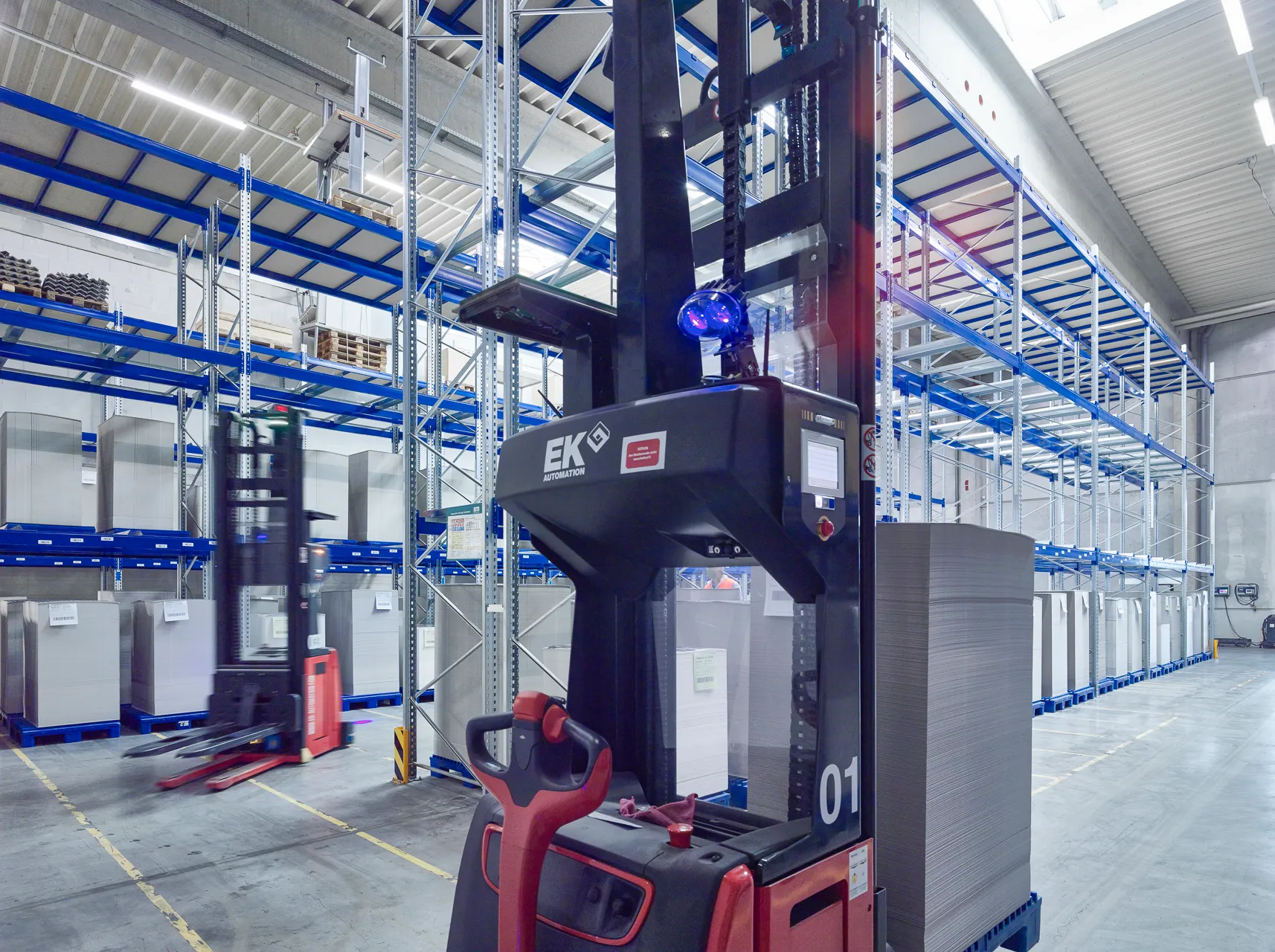
Automated Guided Vehicles: How to Create a Vendor‑Neutral Specification Sheet