
Smart Proteins, Smart Factory: Efficient Production for Alternative Proteins

Smart Proteins, Smart Factory: How Alternative Proteins Are Produced Efficiently
The production of meat substitutes in Germany increased by more than 16 percent in 2023. Plant‑based alternatives to animal products have long moved beyond niche status and become mainstream. But the phase in which consumers accepted high prices for protein alternatives is over.
Tobias Rosenbaum, Manging Director of IE Food, is clear: producers must scale and automate their operations to achieve economic success at volume.
1. Intelligent and Robust Process Design
Production plants for alternative proteins must be planned from the inside out – process technology and technology selection come first. While there is no standard solution, experience shows that combining and adapting proven process technologies from bakery or dairy production often leads to excellent results.
Vertical process layouts use gravity to ensure gentle, low‑effort handling. Every sensor and actuator that can be omitted reduces both investment and maintenance costs.
2. Efficient Intralogistics
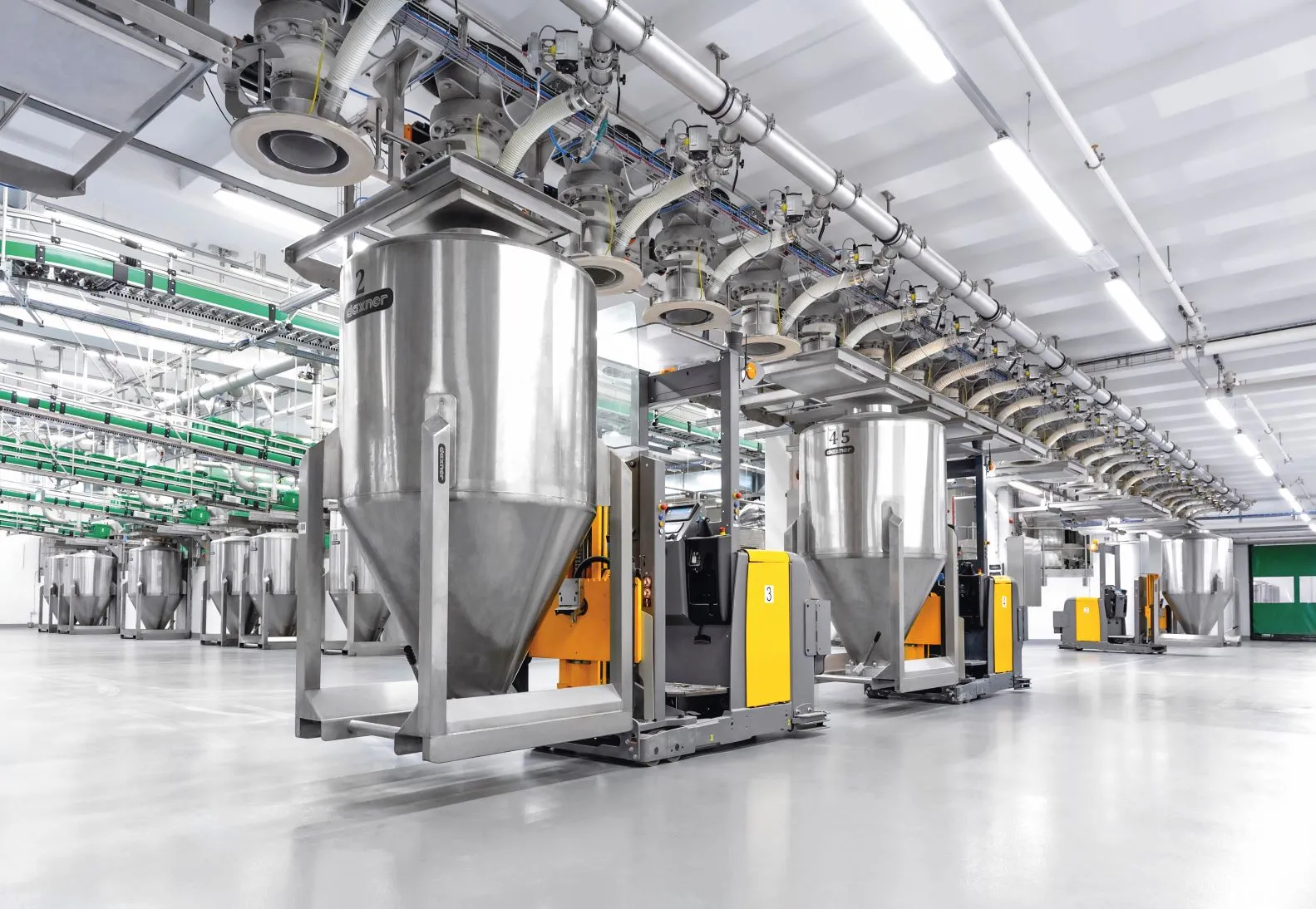
The impact of efficient goods and material flows on overall productivity is often underestimated. Modern logistics systems resolve the traditional conflict between high automation and flexibility. Fully automated transport systems can be the decisive factor for uninterrupted 24/7 operation, especially in times of severe labor shortages.
3. Sustainable Production as a Competitive Advantage
Photovoltaics on factory roofs alone do not constitute a sustainability concept. In energy‑intensive protein production, the total heat generated by all energy‑conversion processes often exceeds the actual heat demand. High‑temperature heat pumps support better electrification and enable more flexible, CO₂‑neutral heat generation.
Especially for novel food products, customers increasingly look at how sustainably goods are produced – and often base their purchasing decisions on it.
4. Secure Project Execution
In the highly innovative future‑food sector, maximum execution reliability in terms of quality, deadlines and costs is essential. Integrated planning with minimal interfaces – and design and construction from a single source – is the preferred model for successful new product launches.
A key success factor is the precision and speed with which projects are executed – ensuring new products reach the shelves on time.
Download the Full White Paper
The white paper explains in detail how startups and established producers are optimally planning their smart‑protein factories – from process technology to turnkey industrial construction.
.webp)
Other Interesting Articles
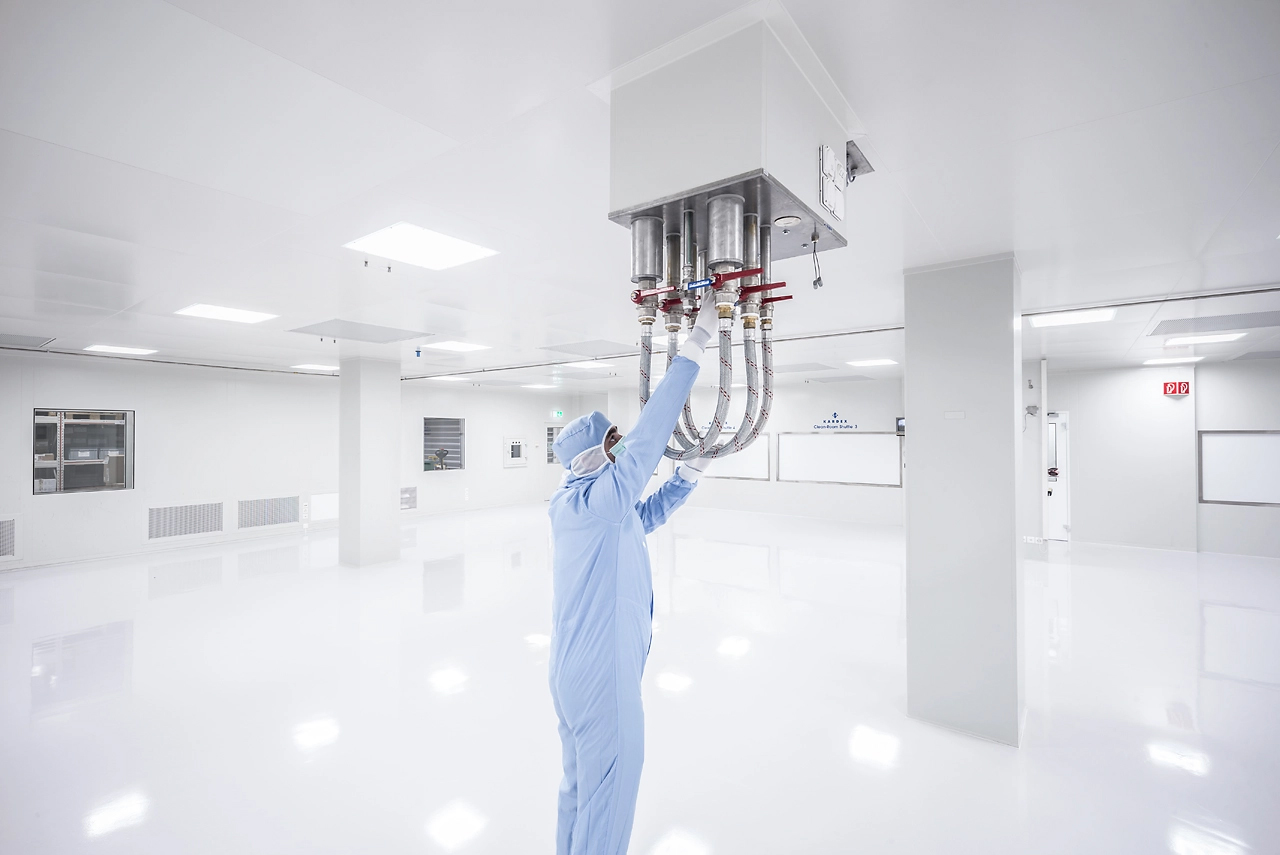
Success Factors for GMP Construction and Qualification Projects
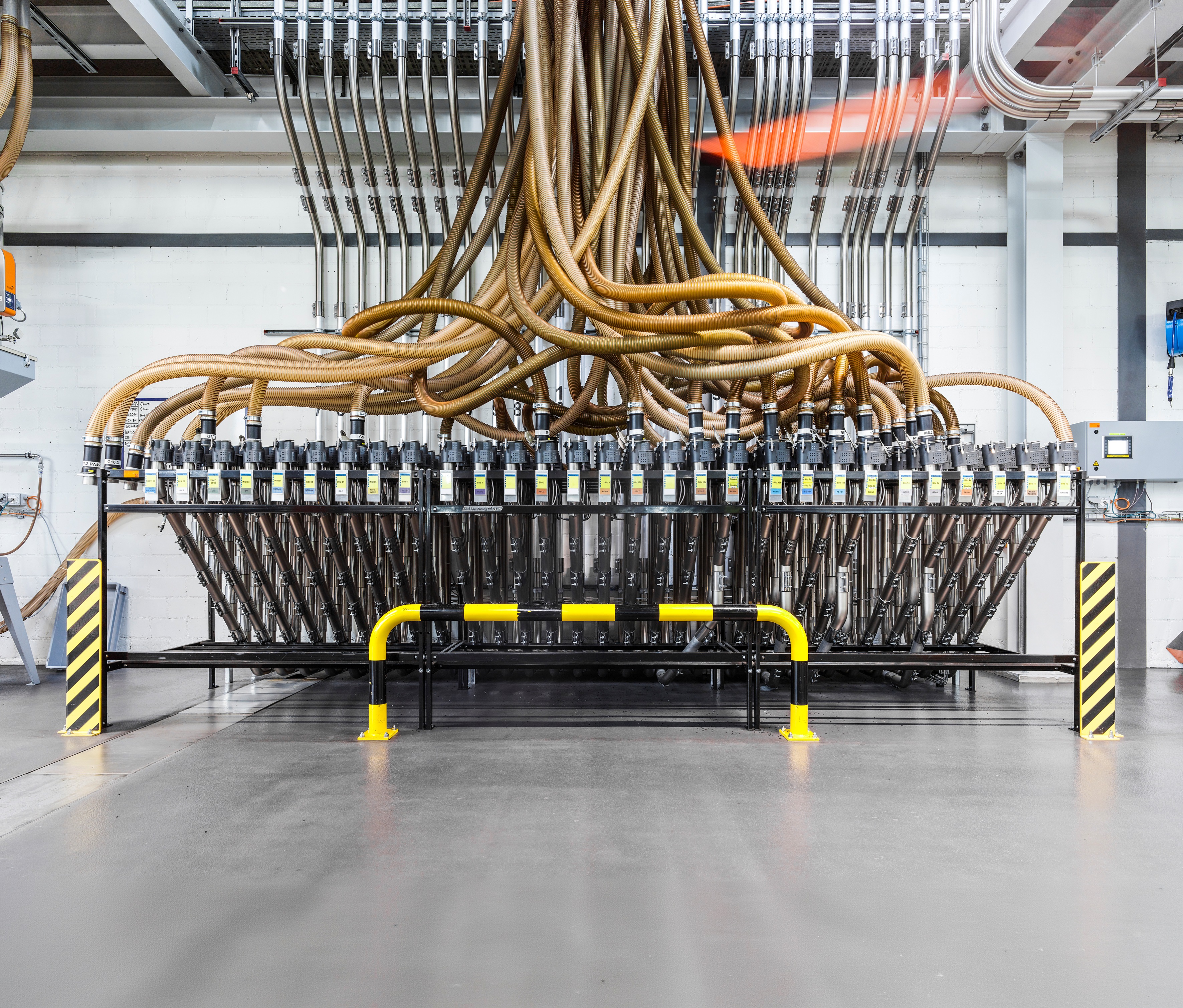
Make Early Decisions. Integrate Correctly.

Automation That Pays Off: Finding the Right Balance Between the Man and the Machine
More Flexibility, More Capacity, Ready for What’s Next
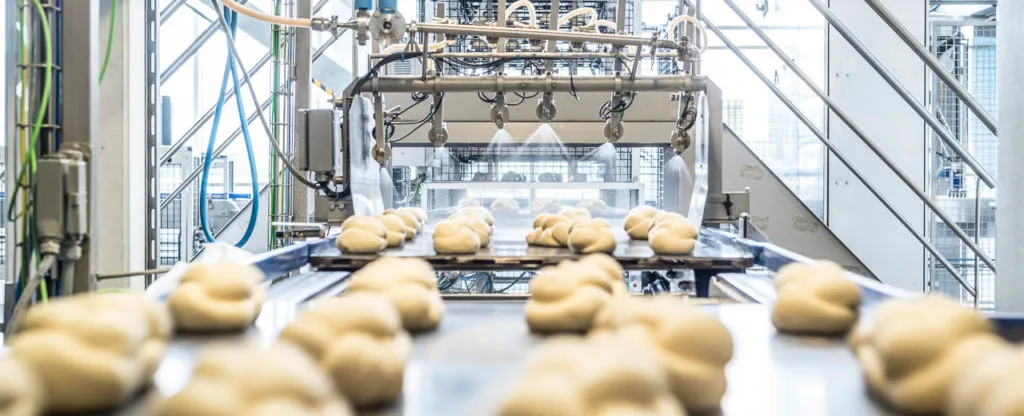
Strategic Planning for Bakeries and Confectioneries: The Path to a Master Plan

Pharmaceutical Logistics: More Safety, Speed and Efficiency Through Holistic Planning

Management of Hazardous Substances in Warehouses: Four Areas of Requirement for Industrial Construction
The Food Factory of the Future: Master Plan for a Future-Proof Food Production
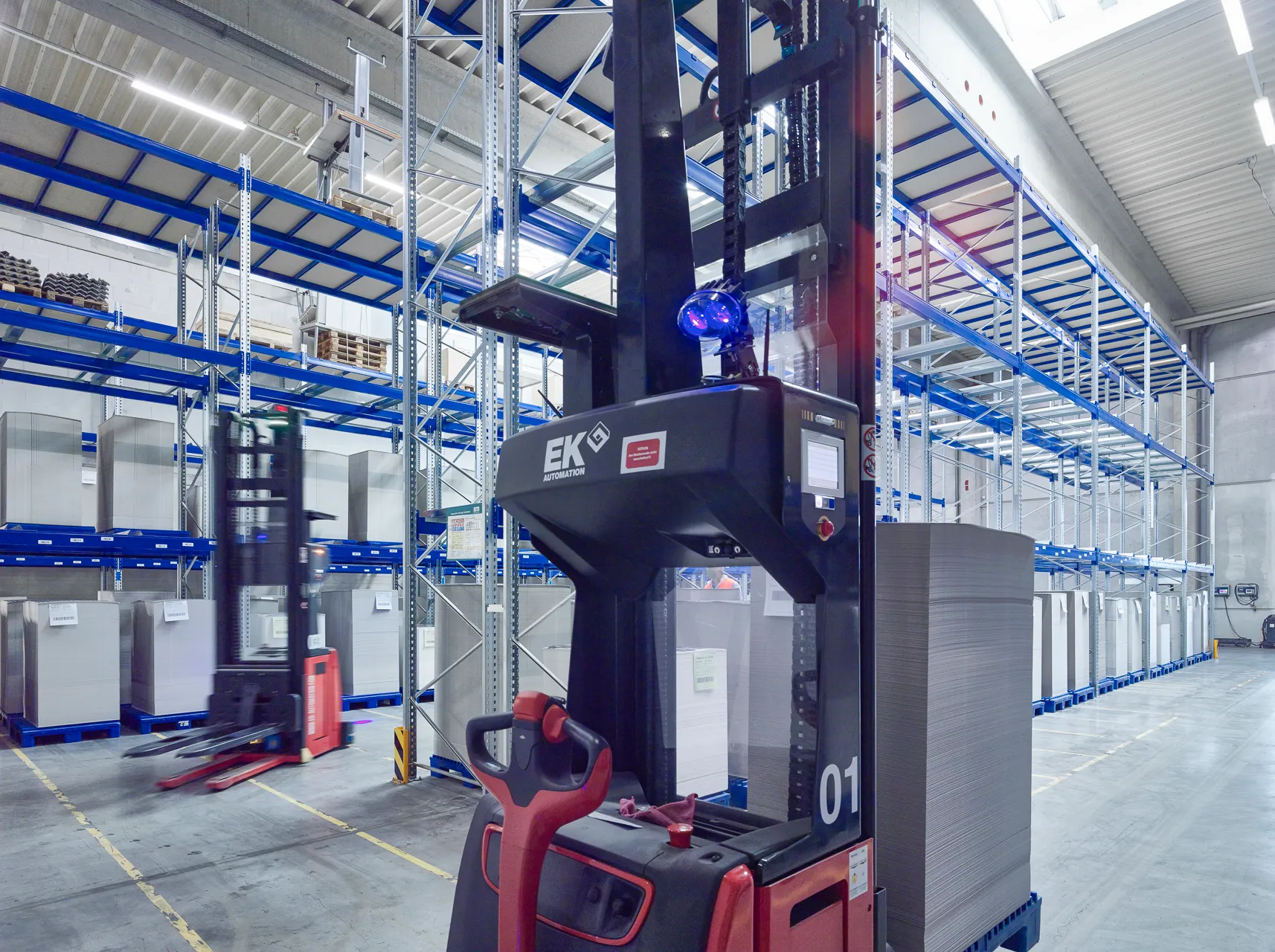
Automated Guided Vehicles: How to Create a Vendor‑Neutral Specification Sheet
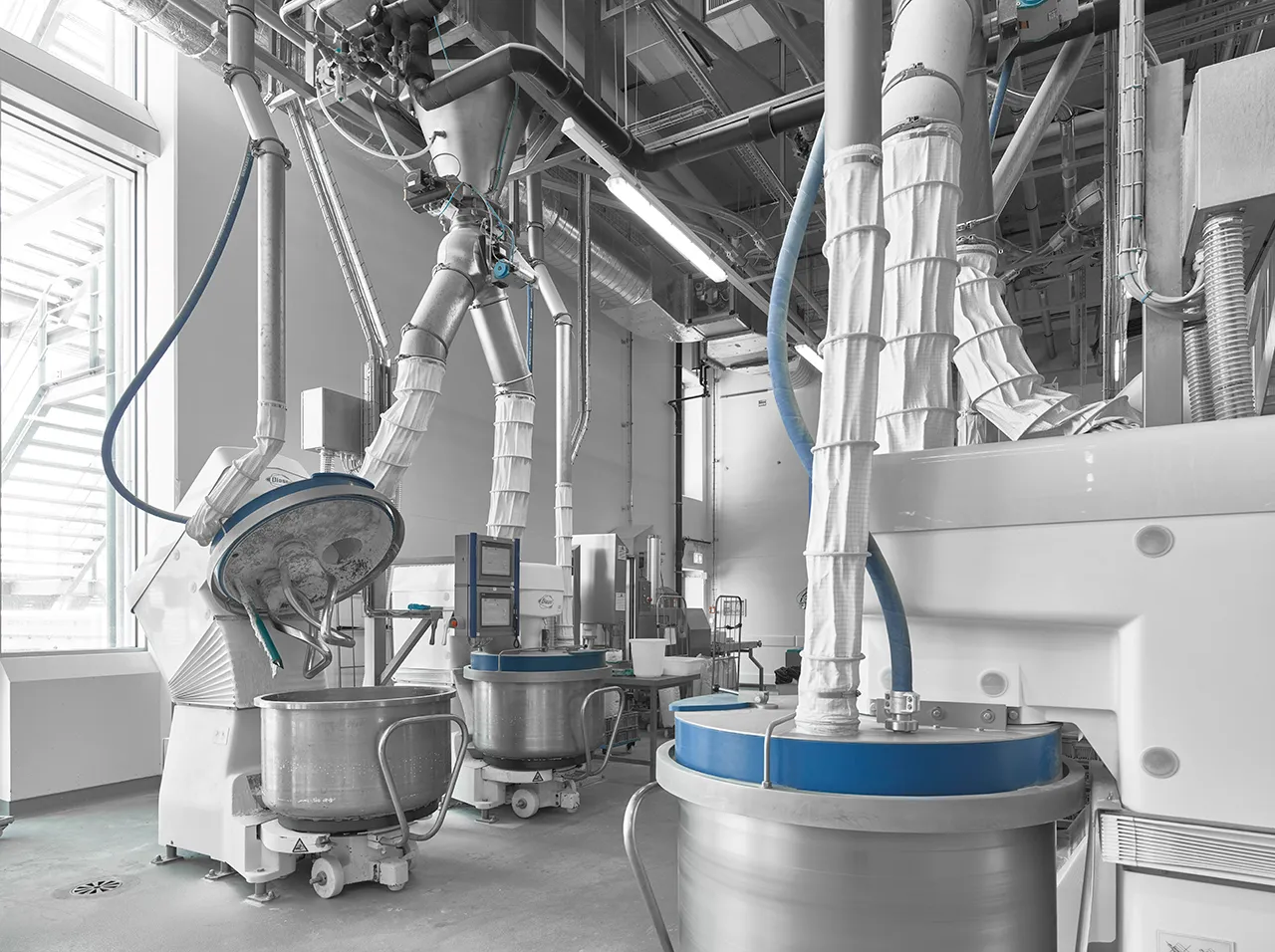
The Bakery of the Future: 4 Success Factors for Sustainable Bakery Production