
Management of Hazardous Substances in Warehouses: Four Areas of Requirement for Industrial Construction
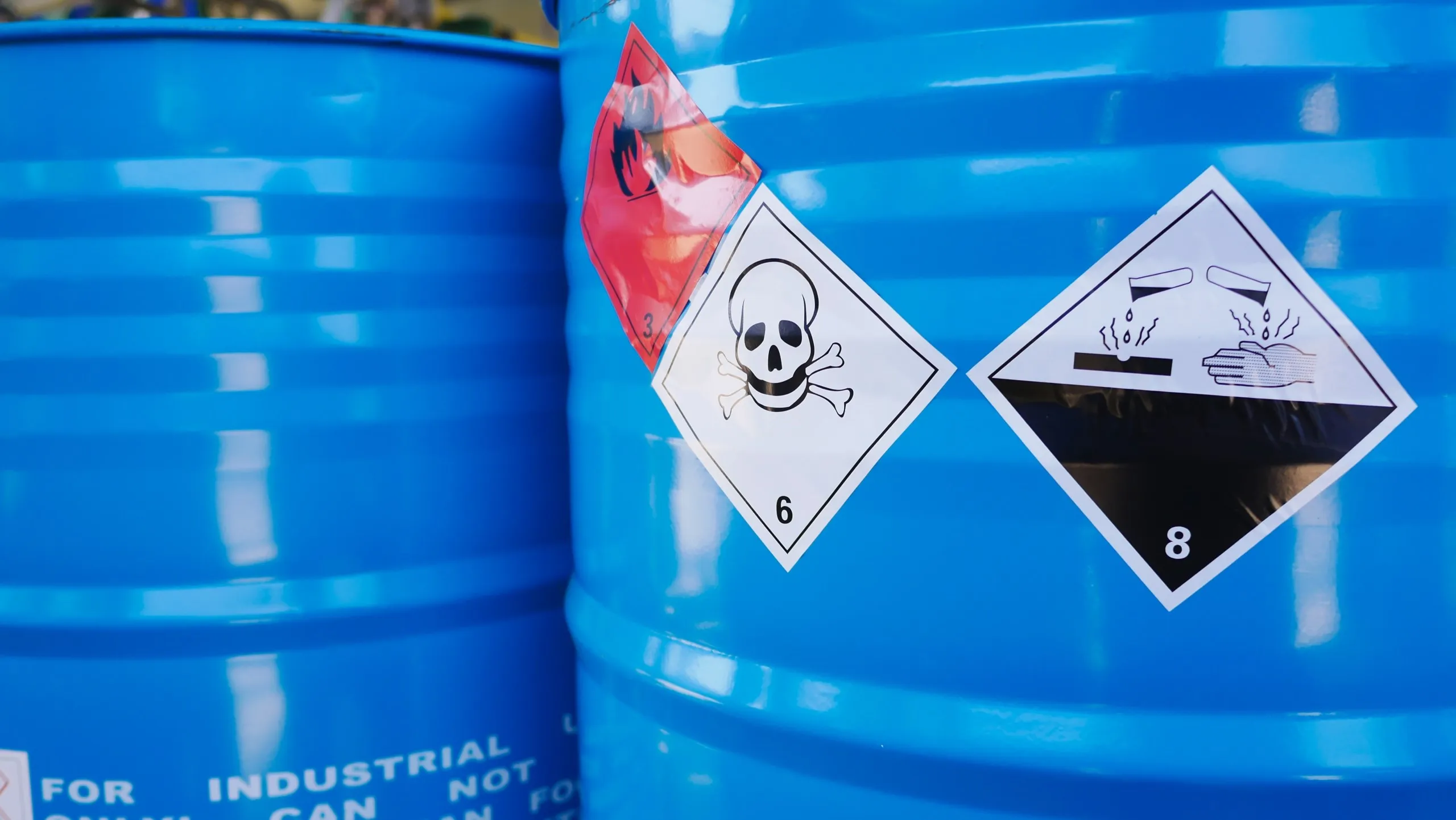
Management of Hazardous Substances in Warehouses: The Four Areas of Requirement
Today, companies handle numerous materials classified as hazardous substances. Ensuring their safe and sustainable use is a top priority – both for employee health and environmental protection.
Florian Alexander, Head of Logistics at IE Munich, summarises it clearly: modern and safe hazardous‑substance management must be well thought out, carefully planned and extremely reliable.
1. Construction Requirements
Storing hazardous substances requires specially designed storage areas or buildings with pressure‑compensation openings as well as dedicated fire‑protection and safety standards. Floors must comply with groundwater‑protection regulations and include floor drains and collection systems.
2. Building Services (MEP: Mechanical, Electrical, Plumbing)
Fire‑alarm and extinguishing systems, along with gas‑detection systems, ensure early hazard identification. Appropriate ventilation systems prevent vapours or gases from spreading. Air‑conditioning systems regulate temperature and humidity to stabilise sensitive hazardous substances.
The exact MEP requirements vary depending on the type and quantity of hazardous materials, local regulations and specific building conditions.
3. Storage Requirements in Accordance With TRGS 510
The Technical Rules for Hazardous Substances (TRGS 510) comprehensively regulate storage. Important: any storage of hazardous substances – regardless of duration — is considered storage and is subject to the applicable regulations.
TRGS 510 provides requirements and recommendations for storing different types of hazardous substances, including liquids and gases, in containers, storage rooms and storage facilities.
4. Property Insurance Requirements
FM Global and VdS standards often define additional requirements that may deviate from TRGS 510 – for example in fire‑protection measures, TGA specifications, consolidation options and labelling obligations.
Involving a hazardous‑substance and risk‑management expert as well as the property insurer early in the planning process is highly recommended.
Why Integrated Planning Is Crucial
For expansion and new‑build projects in industrial construction, all four areas of requirement must be addressed simultaneously. IE Group plans, designs and builds industrial facilities that integrate hazardous‑substance management from the outset – rather than adding it later.
Download the White Paper
The complete white paper provides a detailed overview of all regulatory requirements and proven solutions for the safe storage of hazardous substances in industrial buildings.
Other Interesting Articles
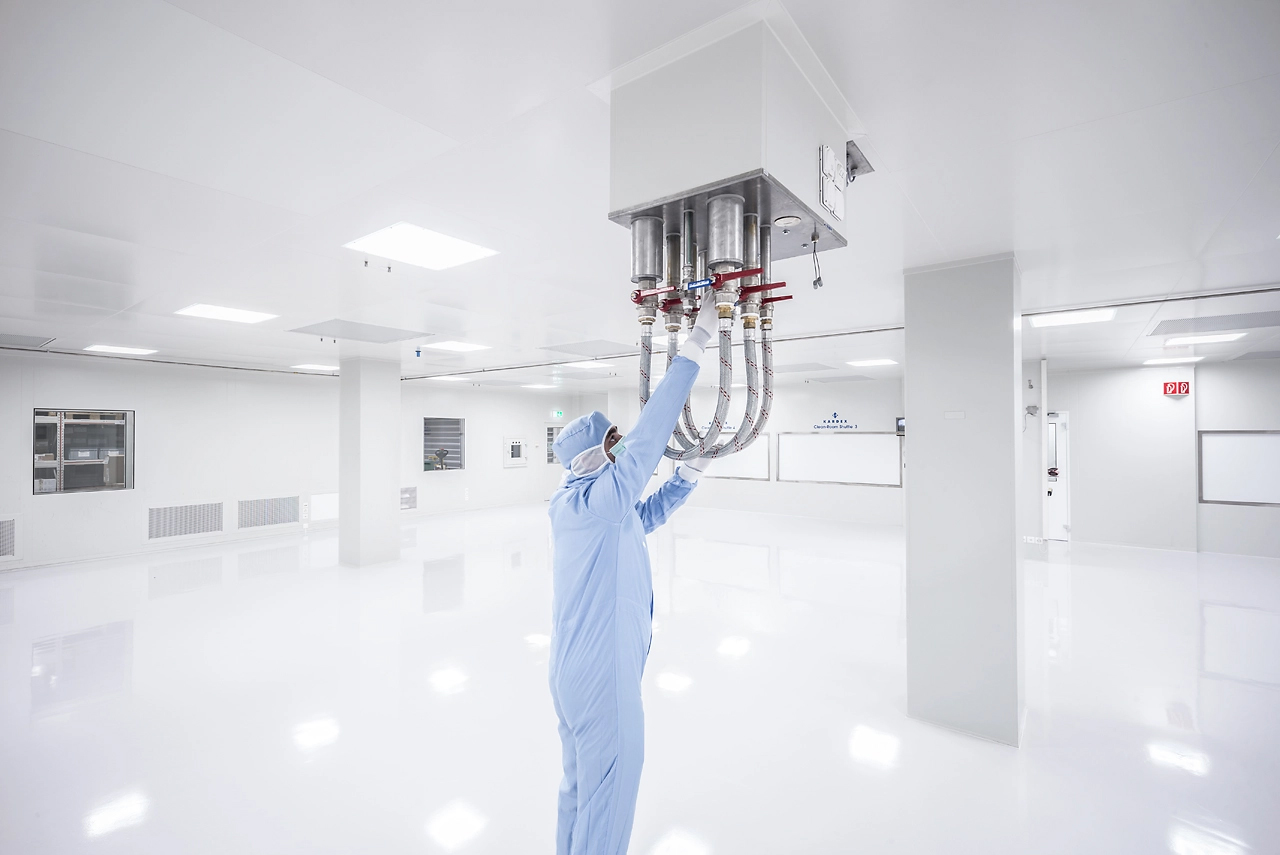
Success Factors for GMP Construction and Qualification Projects
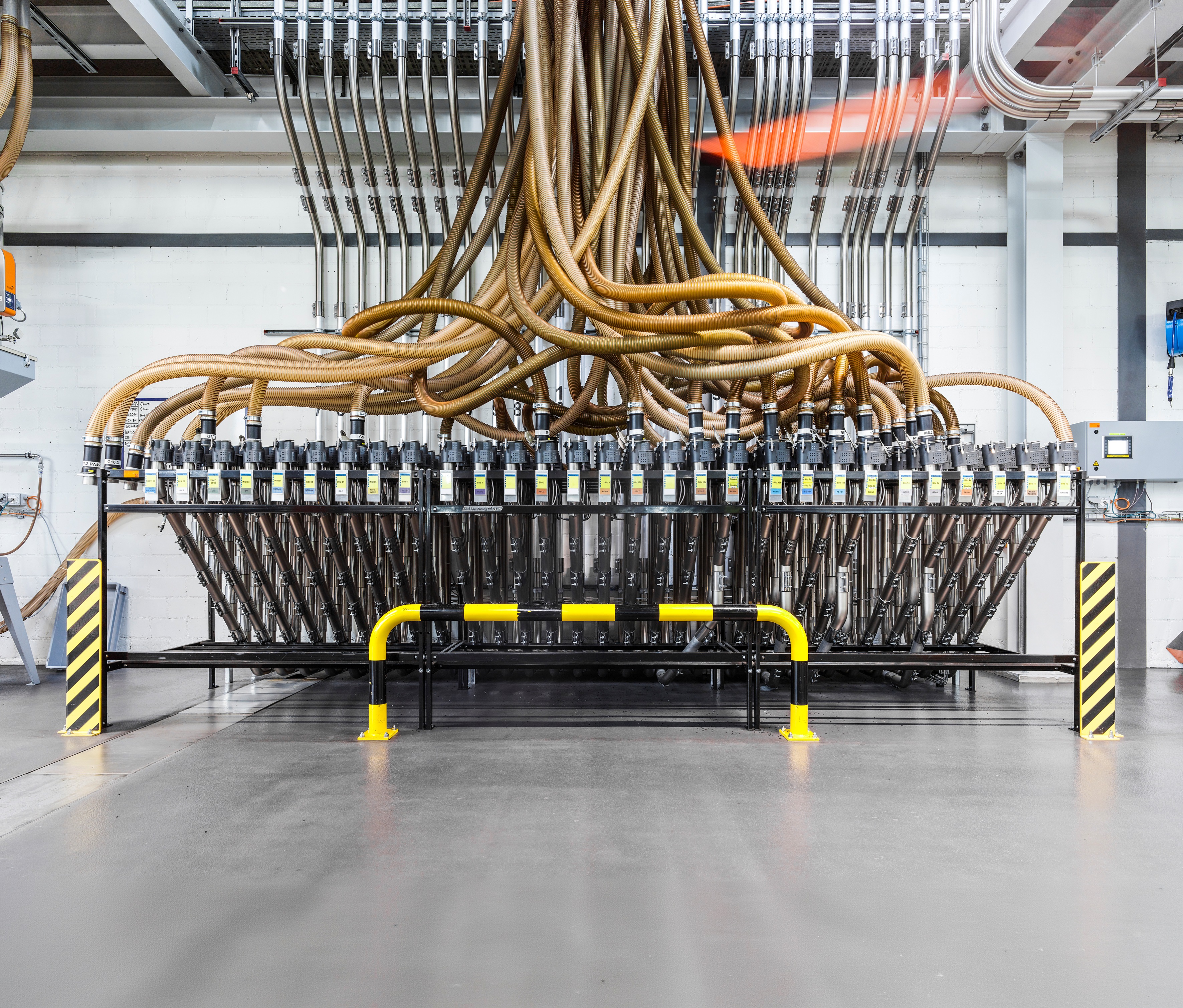
Make Early Decisions. Integrate Correctly.

Automation That Pays Off: Finding the Right Balance Between the Man and the Machine
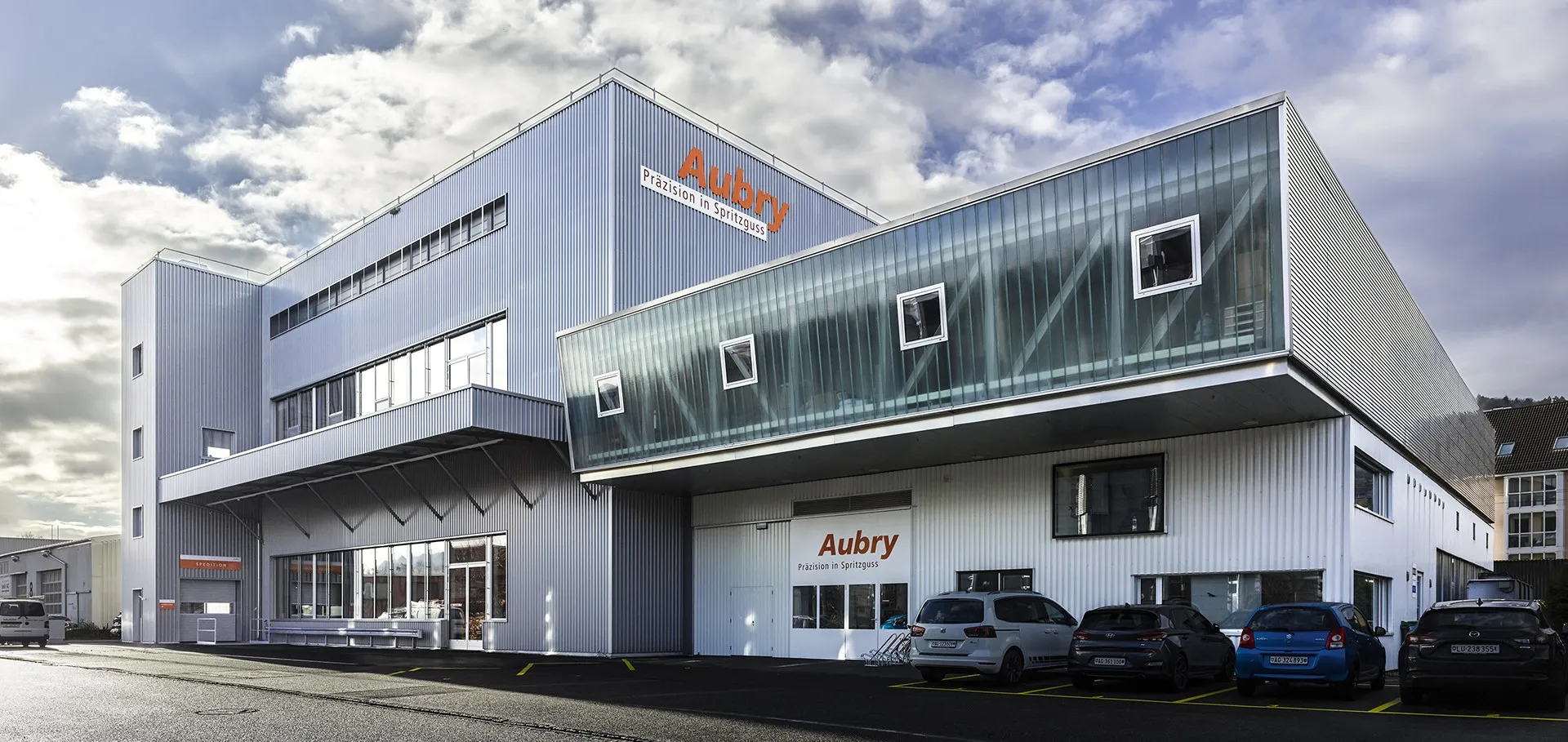
More Flexibility, More Capacity, Ready for What’s Next
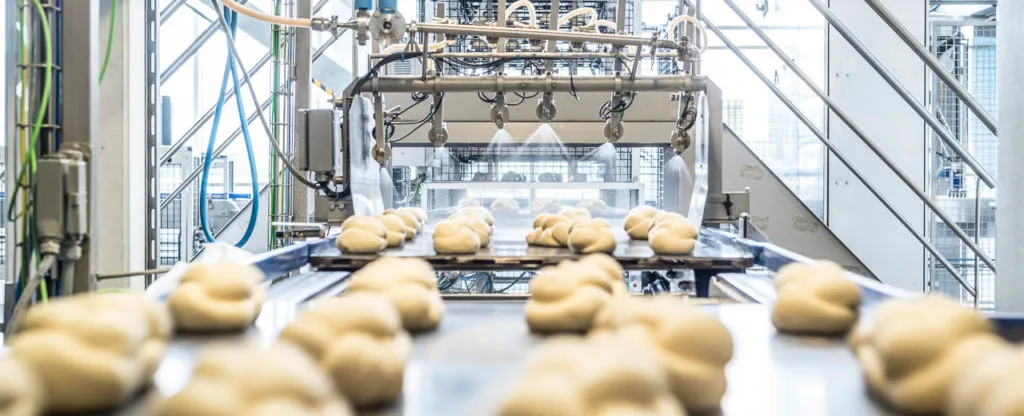
Strategic Planning for Bakeries and Confectioneries: The Path to a Master Plan

Pharmaceutical Logistics: More Safety, Speed and Efficiency Through Holistic Planning
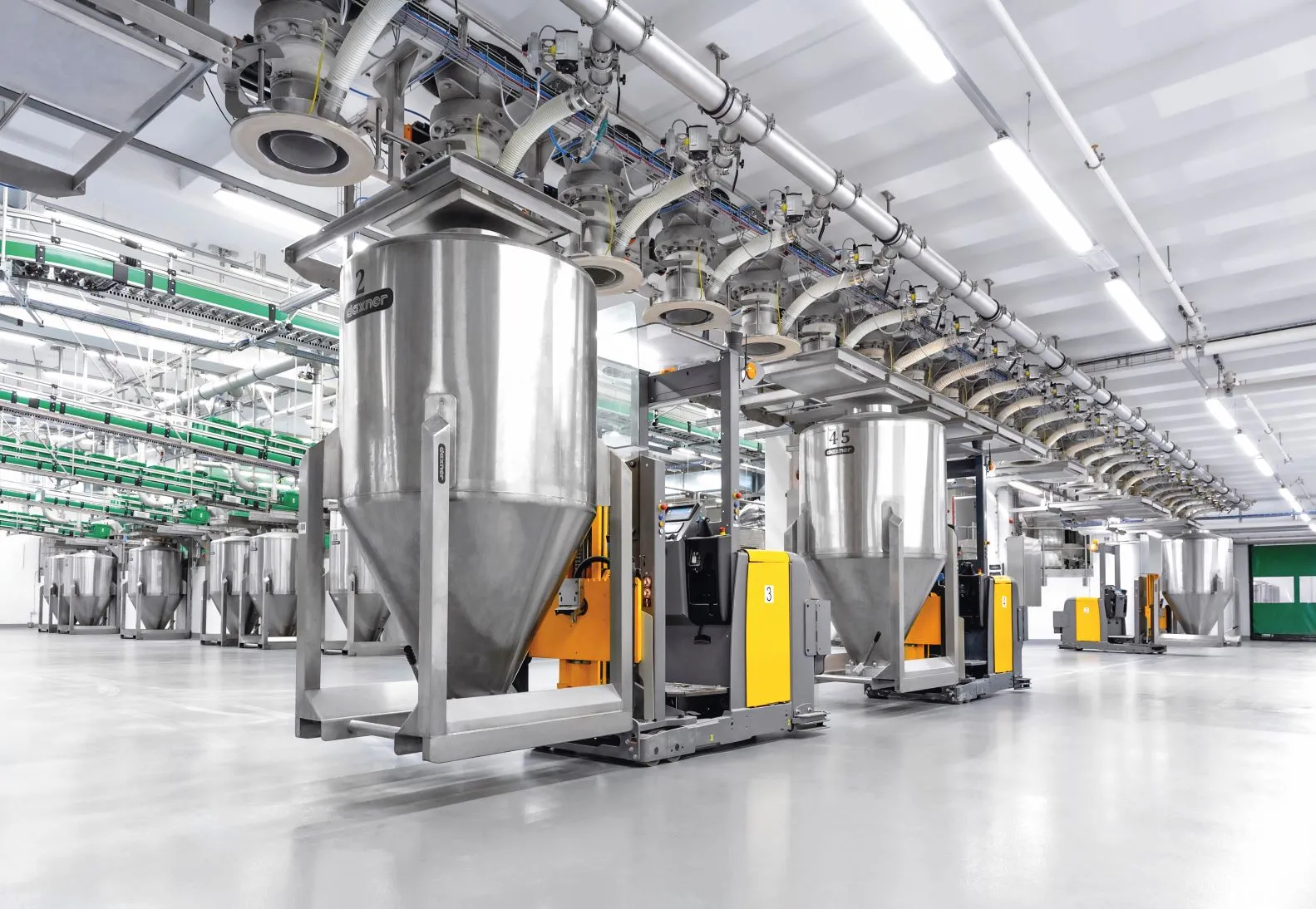
The Food Factory of the Future: Master Plan for a Future-Proof Food Production

Smart Proteins, Smart Factory: Efficient Production for Alternative Proteins
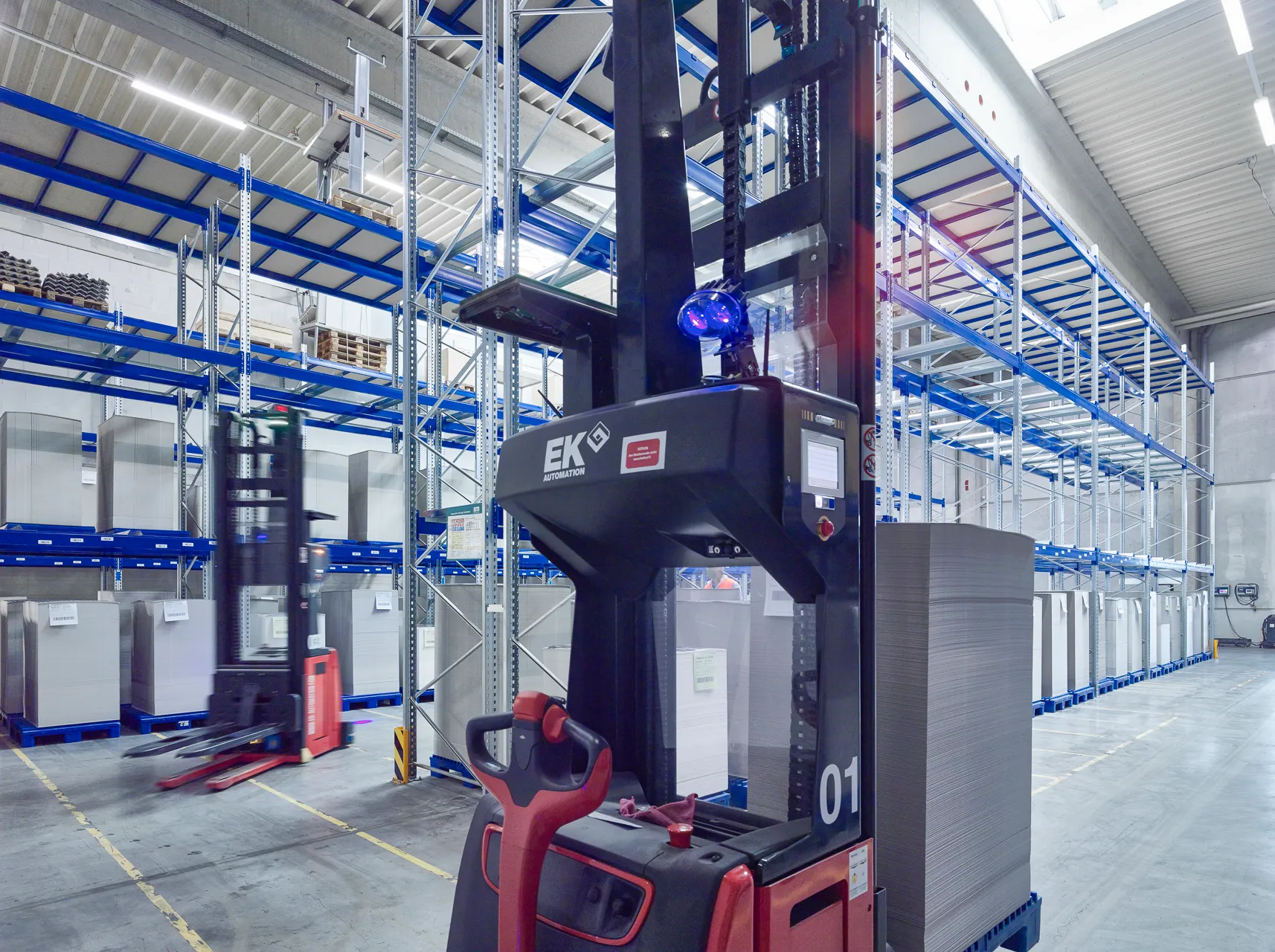
Automated Guided Vehicles: How to Create a Vendor‑Neutral Specification Sheet
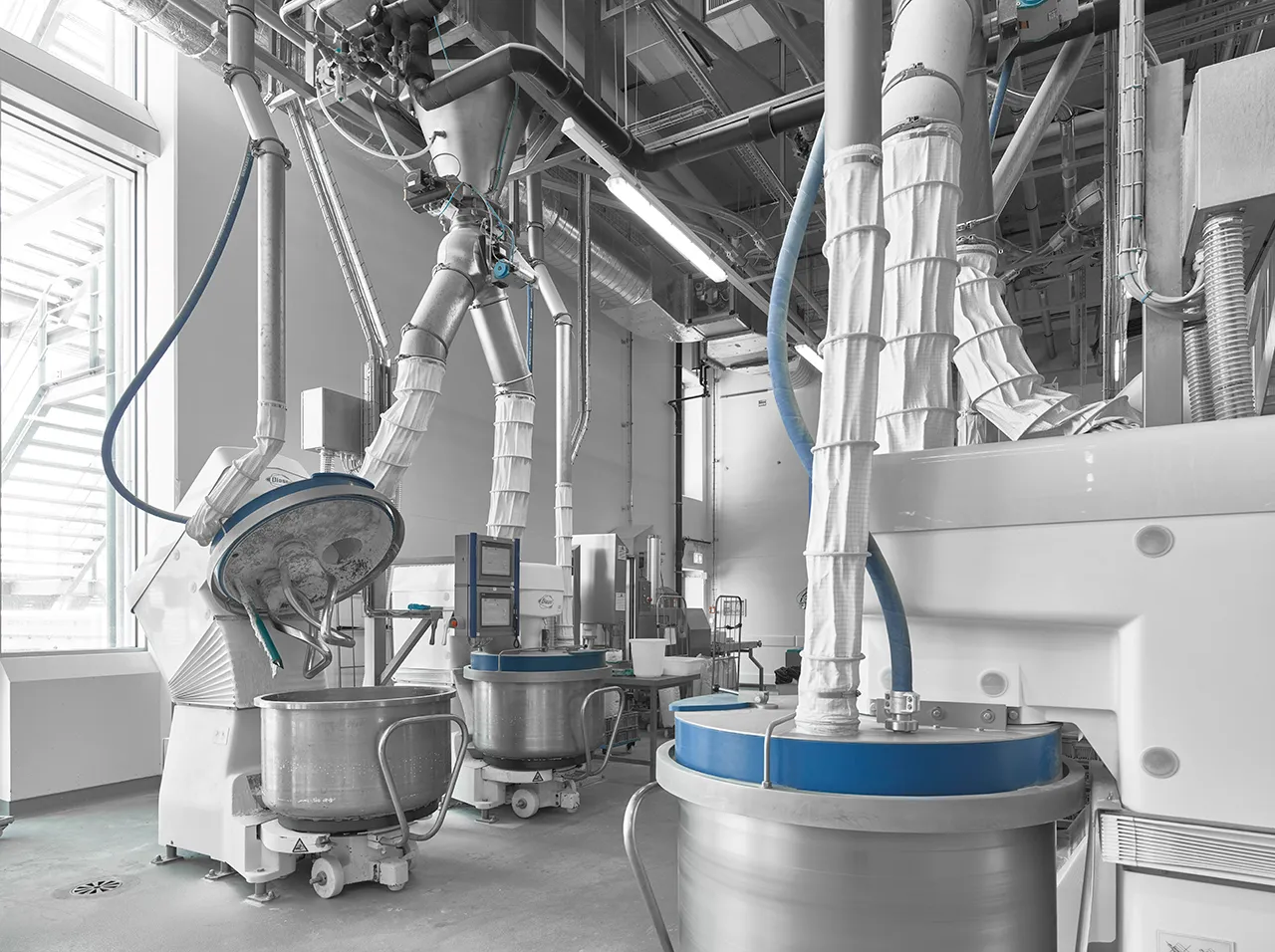
The Bakery of the Future: 4 Success Factors for Sustainable Bakery Production