
Tobias Rosenbaum
As a graduate mechanical engineer with more than 25 years of professional experience, I have developed deep expertise in technologically advanced plant engineering and international project business. My background includes leading complex industrial projects, managing project portfolios and overseeing larger organizational units. Across all roles, I work with a clear focus on what truly matters: structured decision‑making, long‑term vision and measurable results. Since 2020, I have been Managing Director at IE Group in Munich, responsible for the Food sector.
.webp)
Brief Profile: Expertise at a Glance
Challenging and forward‑looking projects focused on maximum productivity and sustainability in the food industry.
Industry Focus
Planning and implementation of complex, tailor‑made production facilities across all segments of the food industry. Strong emphasis on innovative and scalable concepts with high productivity, while maintaining a balanced relationship between investment costs and long‑term operating and production costs.
Role at IE Group
Managing Director responsible for project business in the food industry in Germany. Primary point of contact for all IE Group projects in the food sector.
Technical Expertise
In‑depth understanding of the specific requirements of the food industry. Extensive experience in factory planning, plant engineering, general planning and the implementation of complex industrial construction projects, supported by a strong methodological approach.
My Journey: Sustainable Food Factories & Robust Projects
The food industry faces growing pressure from increasingly strict requirements for product safety and variety, combined with the need to operate efficiently and cost‑effectively. In my experience, resolving these conflicting demands requires excellent communication and close collaboration within project teams. Especially in the early project phases, I place great importance on a clear methodology and the right combination of expertise across project partners and networks.
For me as an engineer, the food factory of the future always begins with a well‑designed process concept. This includes the intelligent selection and configuration of production technologies, machinery and systems. Interfaces and scalability must be considered from the outset. Despite increasing complexity, robustness and operational reliability must remain the top priority, including RAMS considerations. Even rapidly growing segments such as alternative proteins can rely on proven process technologies, provided they are combined in a structured and well‑thought‑out way.
During site visits, I often see that food production facilities are less automated than comparable plants in other industries and still operate without modern transport and warehouse logistics. Consistent automation and integrated intralogistics, rather than fragmented solutions, are critical success factors, especially in brownfield expansions. They shorten material routes, reduce land usage and ensure reliable delivery capacity for a growing and increasingly diverse product portfolio.
Rising energy costs, future CO₂ pricing, limited building space and stricter regulatory requirements make sustainability a decisive success factor for industrial projects and a key driver for new investments. However, sustainability in industrial construction goes far beyond installing photovoltaic systems on factory roofs. Significant economic advantages can be achieved through the thermal and electrical integration of production processes with building services and plant infrastructure, often combined with eligibility for public funding. In the future, projects will not succeed despite sustainability, but because of it.
For owners, investors and financiers alike, robust projects are essential. Clear supply and service interfaces, transparent project management and reliable partners offering binding cost and schedule guarantees form the foundation for successful investments.
My Vision for 2040
I see a future in which food factories are planned and built in an increasingly sustainable and highly integrated way, progressing toward the autonomous factory. Flexible, scalable and expandable processes, supported by modern intralogistics, will form the backbone of production.Professionally structured projects and strong partnerships will secure both CAPEX and OPEX and become a decisive competitive advantage in an increasingly demanding market environment.
Deepen your Knowledge


Thought Leadership & Publications
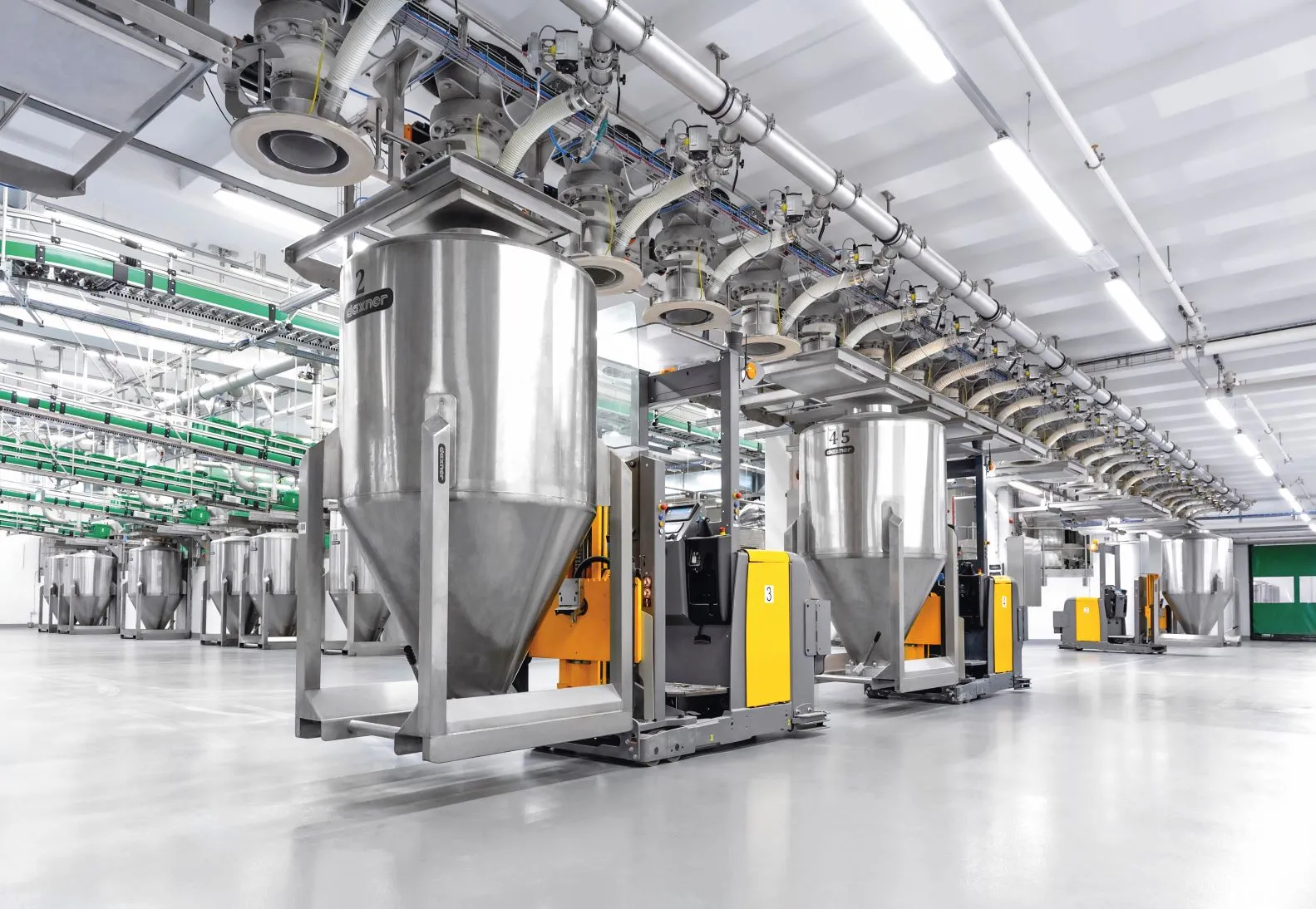
The Food Factory of the Future: Master Plan for a Future-Proof Food Production
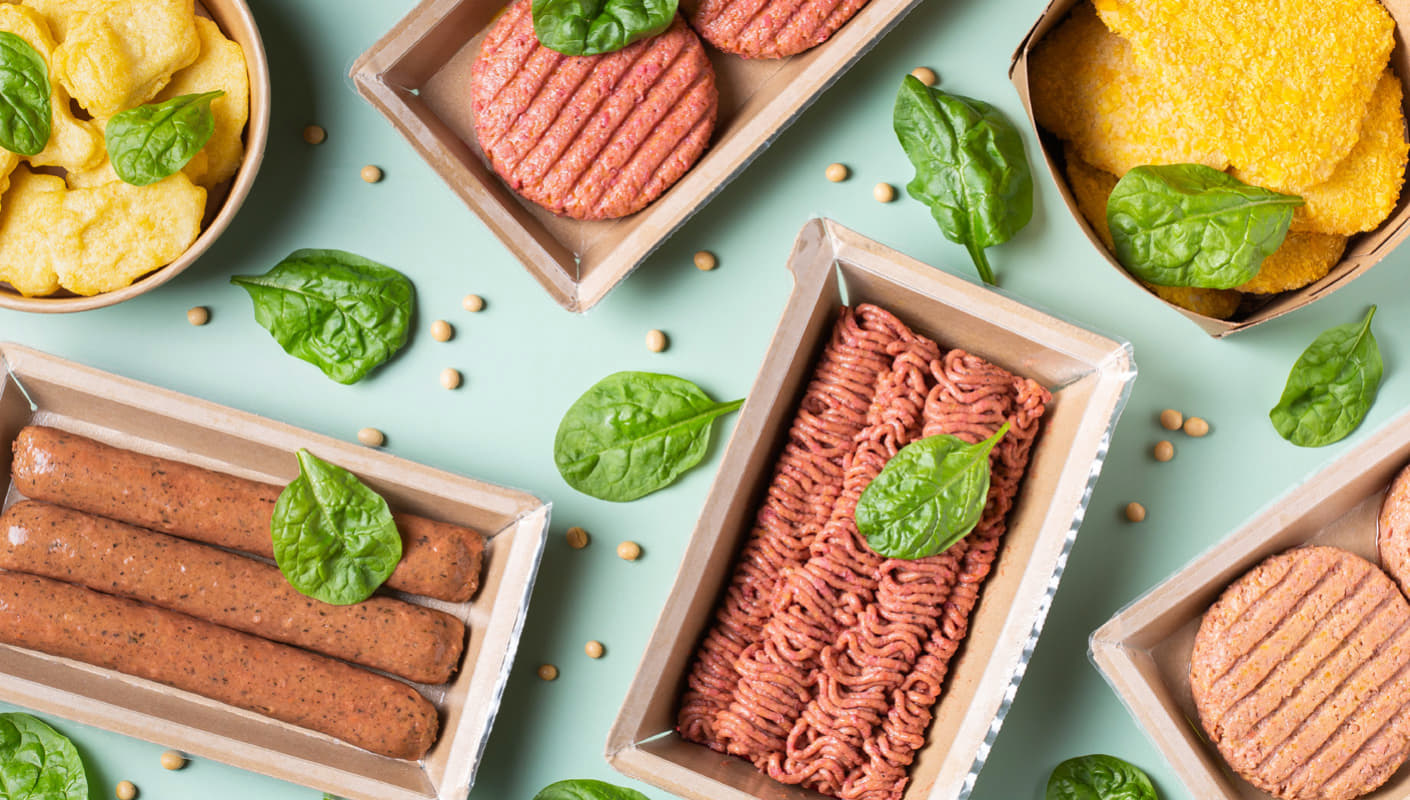
Smart Proteins, Smart Factory: Efficient Production for Alternative Proteins
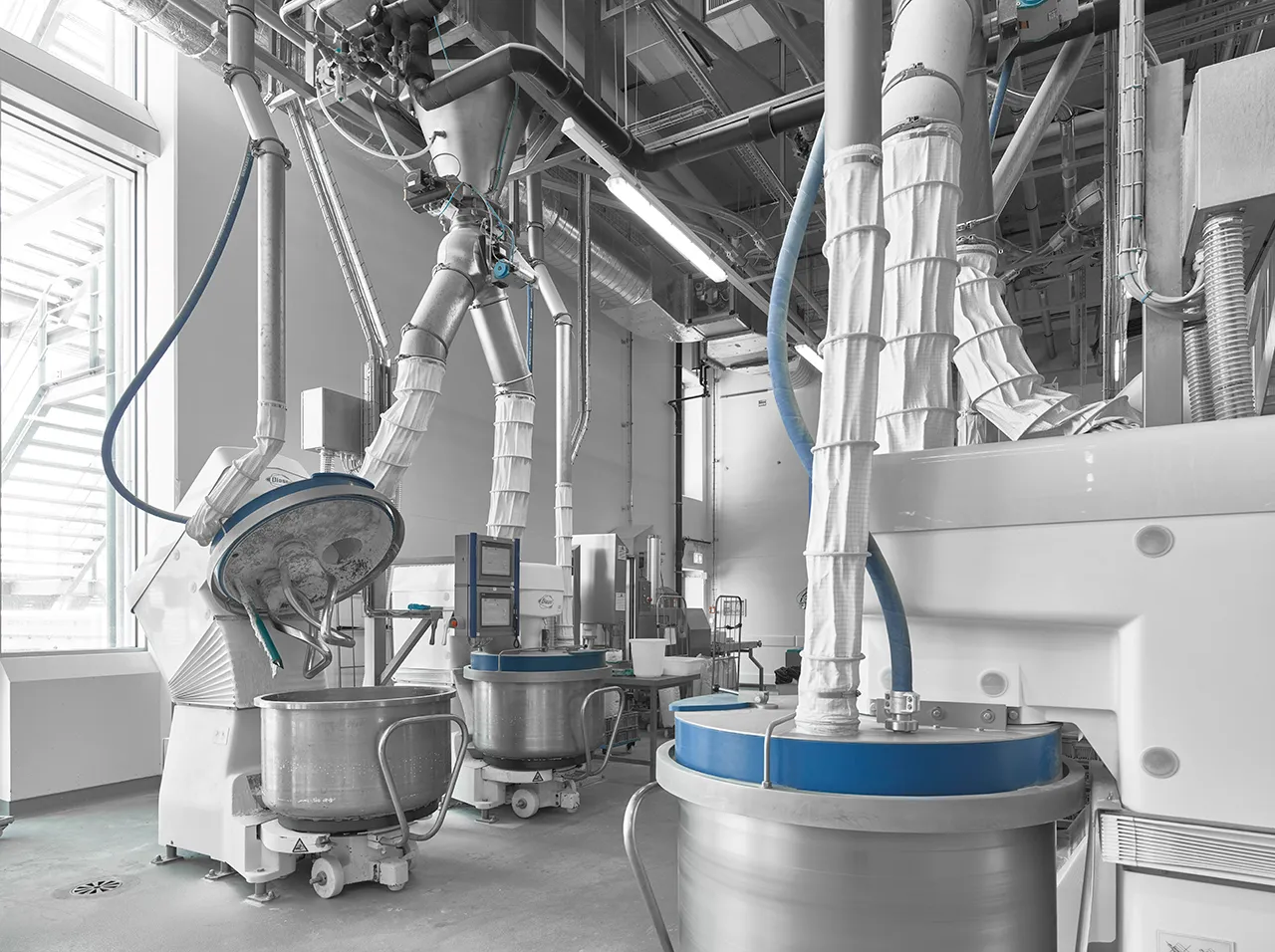
The Bakery of the Future: 4 Success Factors for Sustainable Bakery Production
Selected Projects
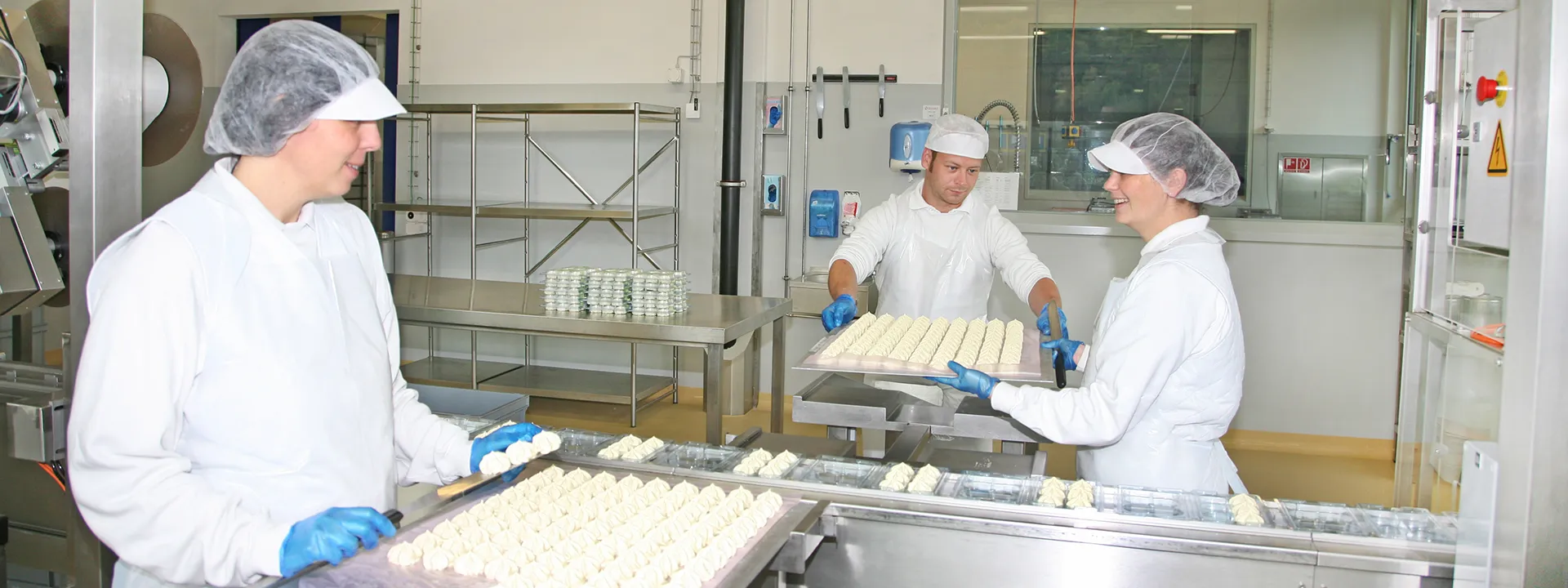
Pacovis AG - Efficient food production & logistics optimization

MPREIS – General Planning and Feasibility Study for Expanding a Bakery
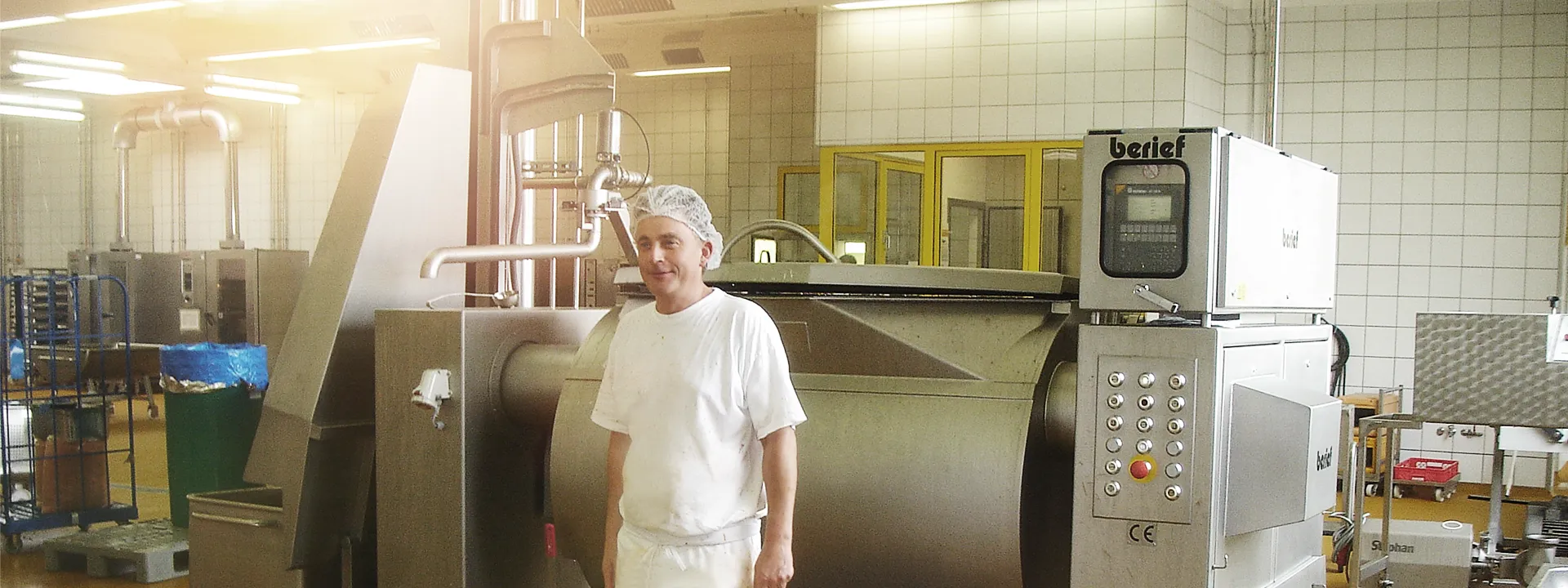
TrendMeal AG – IE Masterplan and General Planning for the Expansion of a Convenience Food Business

Meiereigenossenschaft eG Viöl – Masterplan Including Hygiene and Energy Concept for a New Dairy

Josef Müller Gemüse AG – Planning and Construction of an Extension for Food Production
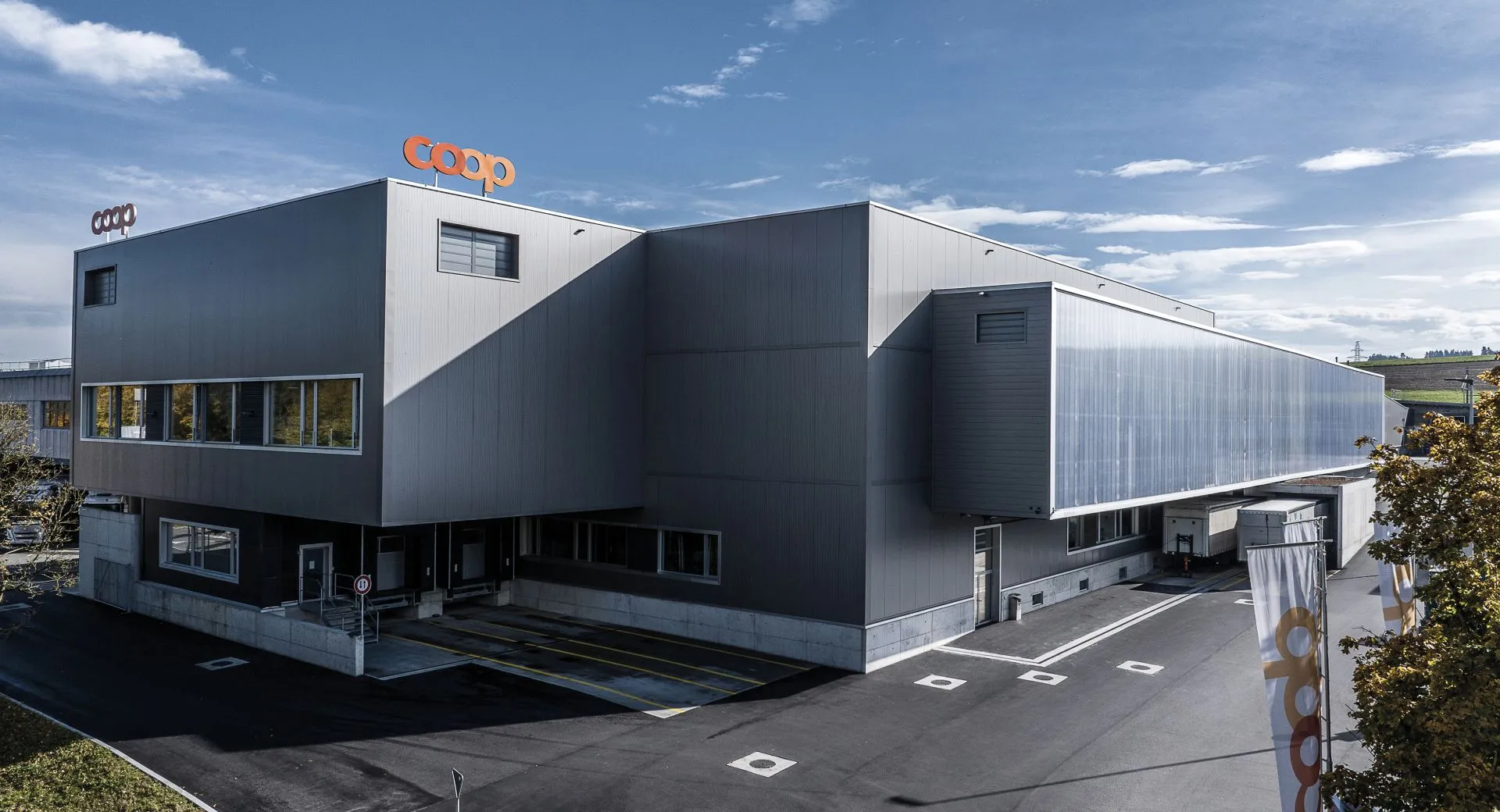
Coop VZ Bern - Intelligent site restructuring to maximise efficiency in empties logistics
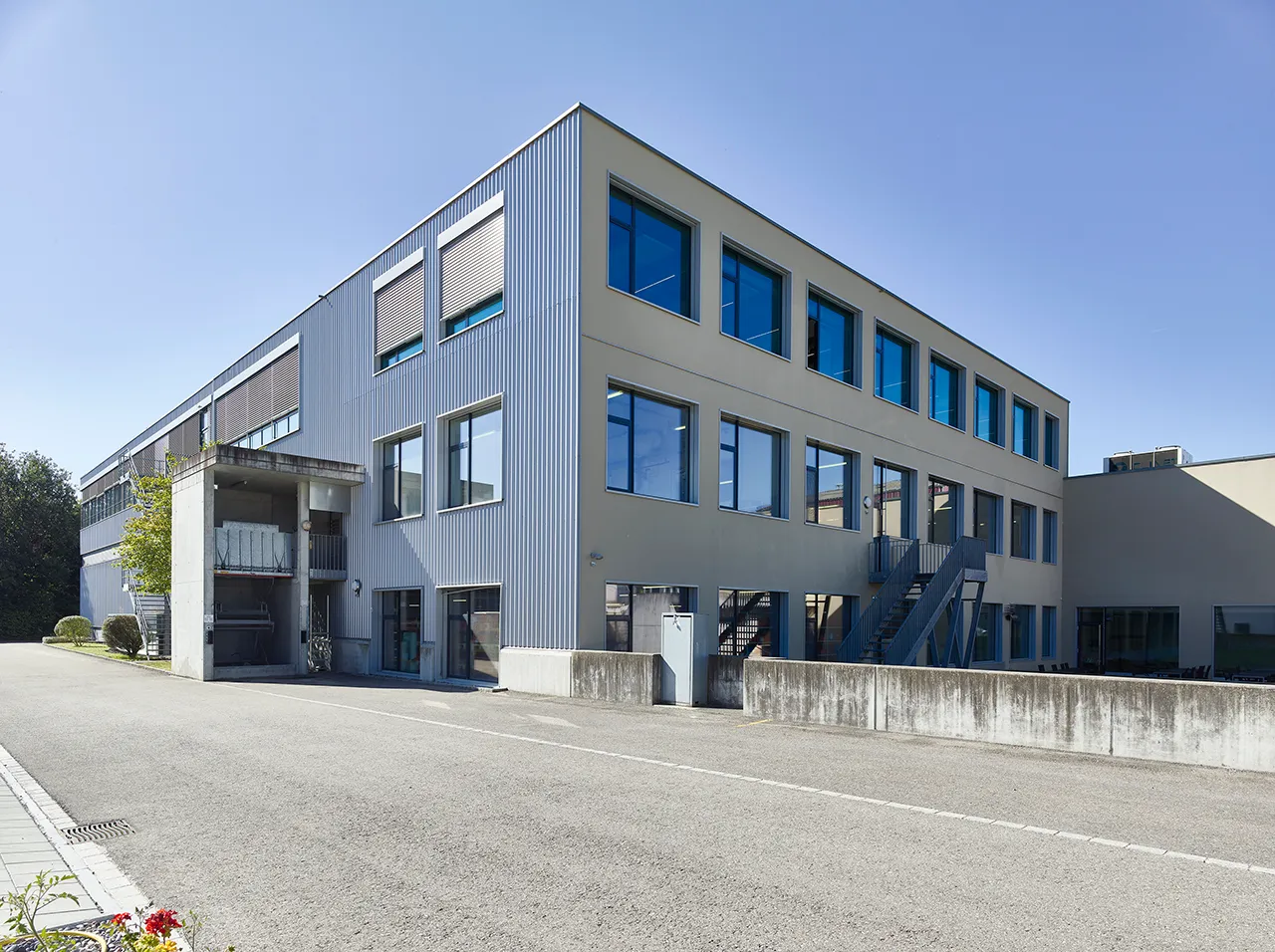
Pacovis AG - Execution of a new office building during ongoing operations

Coop Bakery - logistics and process planning including logistics center

Zenhäusern Frères SA - From Family Tradition to the Future: A State‑of‑the‑Art Bakery

Hügli – IE Masterplan and General Contracting for an Extension
